You can trust VideoGamer. Our team of gaming experts spend hours testing and reviewing the latest games, to ensure you're reading the most comprehensive guide possible. Rest assured, all imagery and advice is unique and original. Check out how we test and review games here
In a recent interview with But Why Tho, Gore Verbinski, director of Pirates of the Caribbean, talked about his new film, “Good Luck, Have Fun, Don’t Die,” and shared a variety of opinions on CGI, not all of which were positive.
“I think the simplest answer is you’ve seen the Unreal gaming engine enter the visual effects landscape,” offered Verbinski when asked about the quality of current-day CGI.
“So it used to be a divide, with Unreal Engine being very good at video games, but then people started thinking maybe movies can also use Unreal for finished visual effects. So you have this sort of gaming aesthetic entering the world of cinema.”
The bigger picture
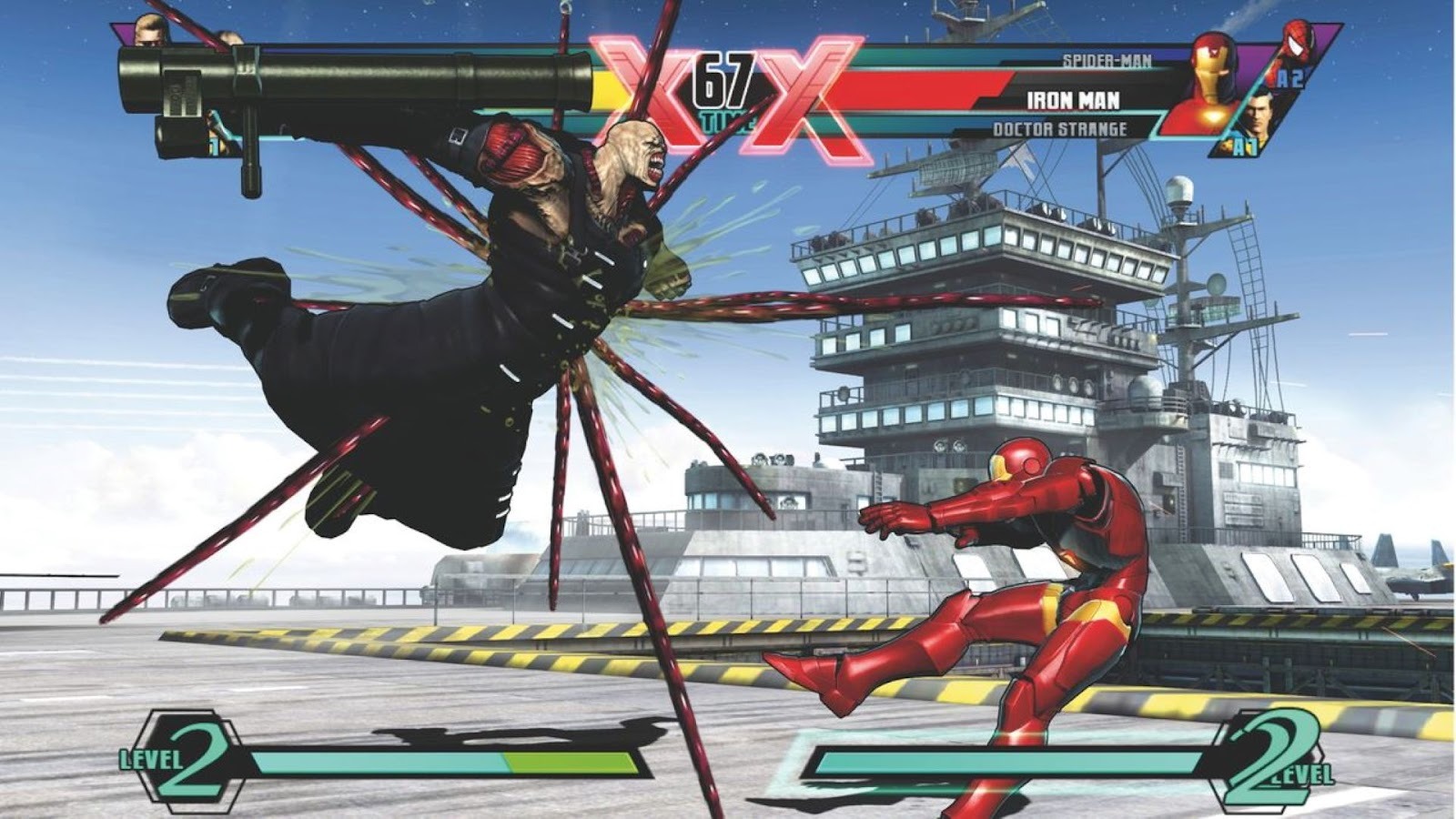
Verbinksi also touched on the Marvel movies’ relation to the so-called ‘gaming aesthetic’ in the interview.
“It works with Marvel movies where you kind of know you’re in a heightened, unrealistic reality,” said Verbinksi.
“I think it doesn’t work from a strictly photo-real standpoint,” he added.
“So that’s how you get this uncanny valley when you come to creature animation, a lot of in-betweening is done for speed instead of being done by hand.”
While Verbinski shares a striking perspective, research around the issue indicates that chaotic production cycles may also be to blame for what some see as a drop in quality.
According to reports online, many of the issues surrounding CGI from big studios such as Marvel stem from poor production pipelines and unrealistic expectations.
“First-hand accounts have recently erupted in media and social media, casting Marvel in a deeply unflattering light as an employer,” reported The Guardian back in 2022.
The report continued, alleging that Marvel was “insatiable in its demands, impossible to please, overworking and underpaying the very staff who imbue its content with miracles and wonder.”
This suggests that, in the case of Marvel at least, blame for this perceived decline in CGI quality may rest just as much with Marvel executives as it does with Unreal Engine.
After all, if executives give orders to rush post-production, we cannot make an objective assessment as to Unreal Engine’s viability, since no software can truly shine under such tight working conditions.
About the Author