You can trust VideoGamer. Our team of gaming experts spend hours testing and reviewing the latest games, to ensure you're reading the most comprehensive guide possible. Rest assured, all imagery and advice is unique and original. Check out how we test and review games here
No release this year has quite resonated with me as much as Hades 2. I’m a bit cautious of the whole Game of the Year song and dance. There’s value in rewarding developers, but singling out one title among hundreds as the “best” in an objective sense feels at odds with the deeply personal experience that is playing games. But, gun to my head, it has to be Supergiant’s generous, emboldened sequel.
Why? There are personal reasons. The nature of this job means you rarely get to play the games you want when you want. When all the time outside of work playing games for guides and reviews is tallied up, it’s a slim sliver of sacrosanct time that is left. It’s a guarded, precious time where you get to remove your professional cap and play games as everyone else does. As it turned out, Hades 2’s tightly constructed gameplay loop makes it an ideal companion during these gold-dust moments.
Late-night companion
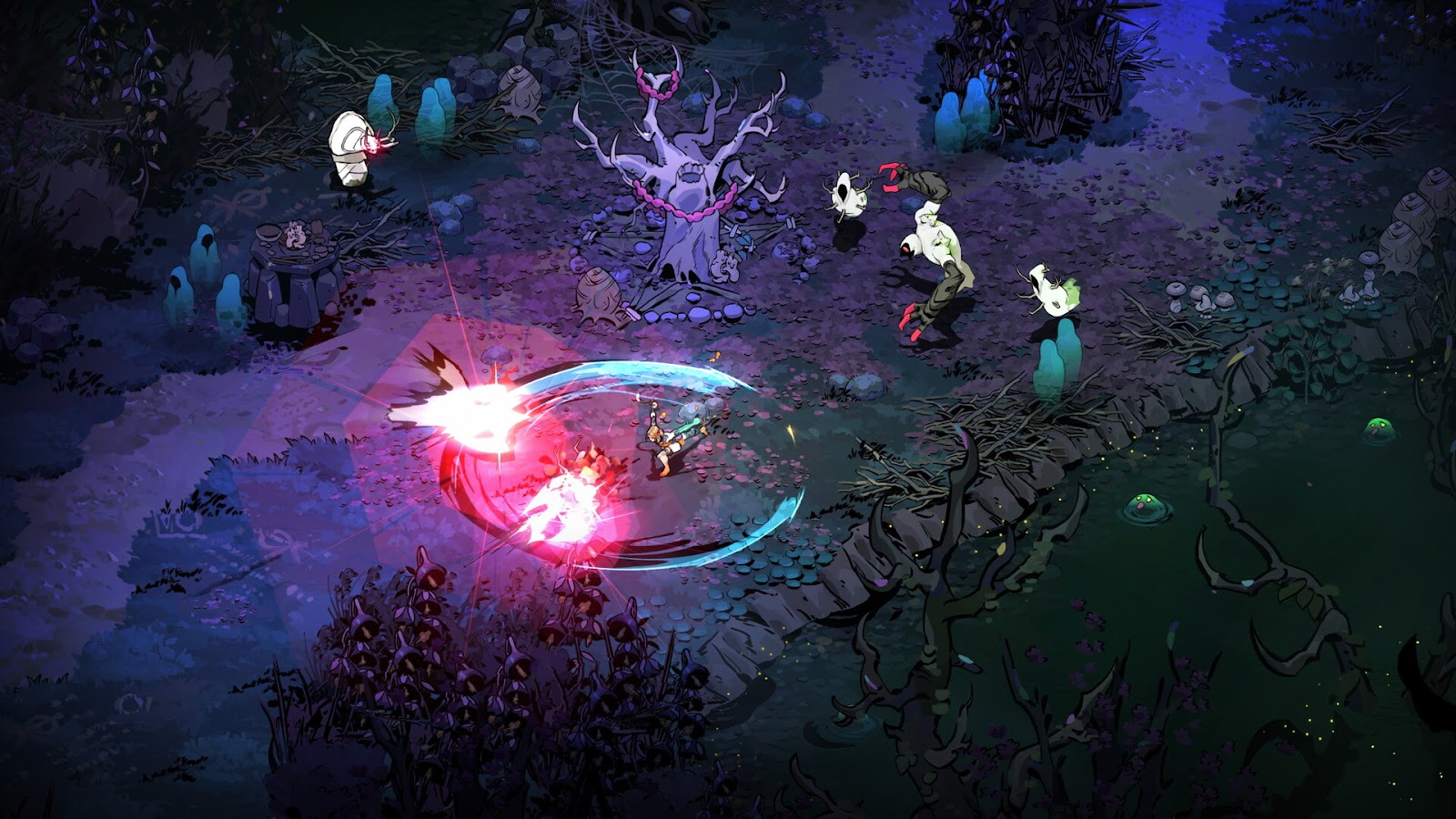
Jumping into Hades 2 for a 30-minute run before bed quickly became a nightly ritual when the game unshackled itself from early access in late September. I even went so far as to unlock every last achievement, something that’s usually forced upon me by the need to pen trophy guides. It was a rare treat then: an interactive nightcap. It was a game played, completed, and gnawed dry of all its nourishing marrow for me and me alone, for pure, unadulterated fun.
These late-night sessions, rather appositely for a roguelike, became a routine. Routine can get boring, though. School runs, cooking and cleaning, work weeks that hazily blend into the next, car insurance renewals, shopping – it’s tedious adult stuff that chips away at you, leaving you feeling like an automaton, a husk on autopilot. Unchanging repetition that leaves you tired, so tired.
In a sense, roguelikes reflect that. You suss out the granular structure of a game’s run system, you know what to expect in each room, how to best beat this or that boss, and what combination of weapons and items makes for the most efficient build. This sort of repetition can eat away at your appetite and patience for more of the same. It’s almost Sysiphean; rather appropriate for Hades 2’s Greek setting.
Routine busting
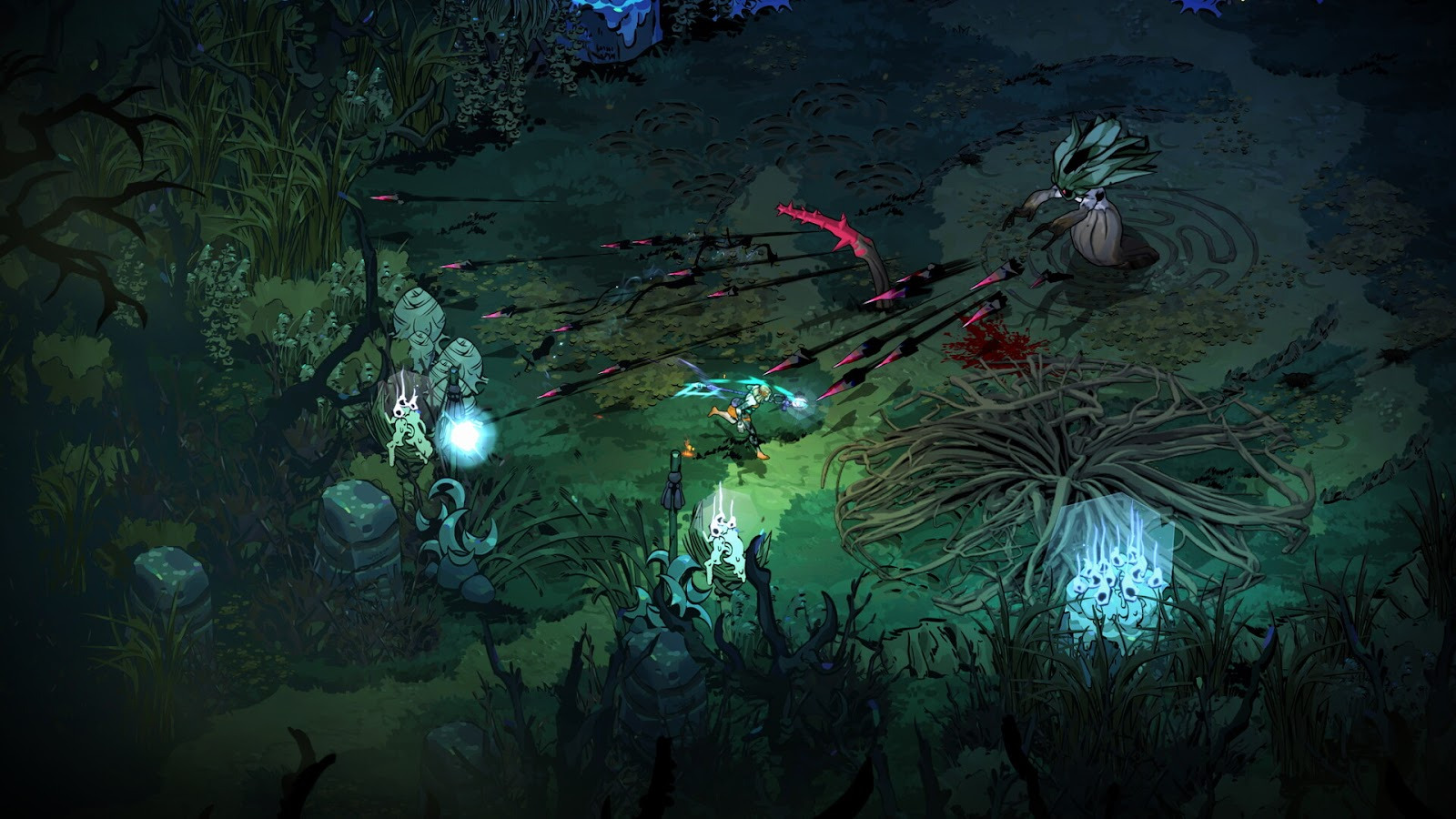
Hades 2 solves this most glaring of the roguelike genre’s problems. You may be trudging familiar ground each night, fighting the same enemies, and hoovering up the same boons, but the sheer textural detail, the breadth of decisions, and a cast of supremely well-directed and fleshed-out bickering gods that morph and change in tandem with your progress make each run feel distinct and unique.
Supergiant’s roguelike is also elevated by its dual run structure. Your mission is in the Underworld, yes, but Mount Olympus beckons with its own narrative intrigue, characters, resources, bosses, and surprises. You effectively get two roguelikes for the price of one.
But, above all else, I think there’s a magic to how Hades 2 wards off fatigue in the structures and subtleties of its progression and reward systems. After an overwhelming first couple of runs where you’re grappling with the basics, something clicks, but it’s by design. From there, you start to connect the dots, the game swells in size and ambition far beyond the modest premise of killing Chronos.
Stories are stacked on stories. There are feuds to defuse, incantations to cast, and romances to pursue, but they all relate marvelously back to the main narrative in a way that feels real and believable. It’s almost like how gossip spreads organically; characters mention specific moments from your last run or marvel at Melinoë’s most recent based on whispers heard from passing visitors or chatty shades.
Hades 2 doesn’t unfold despite you, but because of you, and by reacting to you. It helps that much of this is delivered through Supergiant’s considered yet creative retelling of Greek mythology’s spiciest tales.
Joyous depths of quality
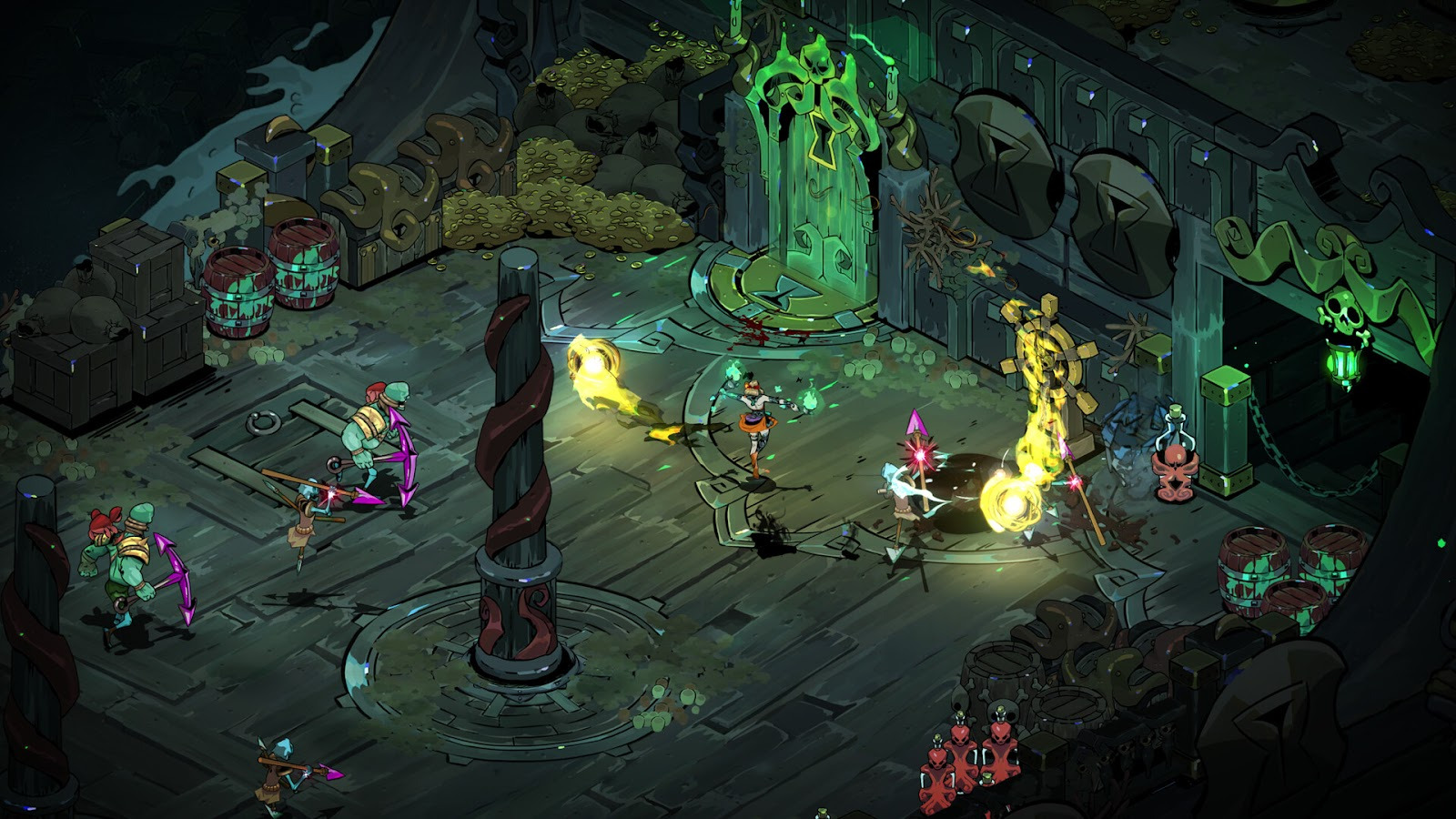
Roguelikes have a knotty relationship with player agency, and it can often feel like you’re being gently, or not so gently, funneled down a thinly-veiled conduit or pipeline to the next, irritatingly over-telegraphed progression milestone.
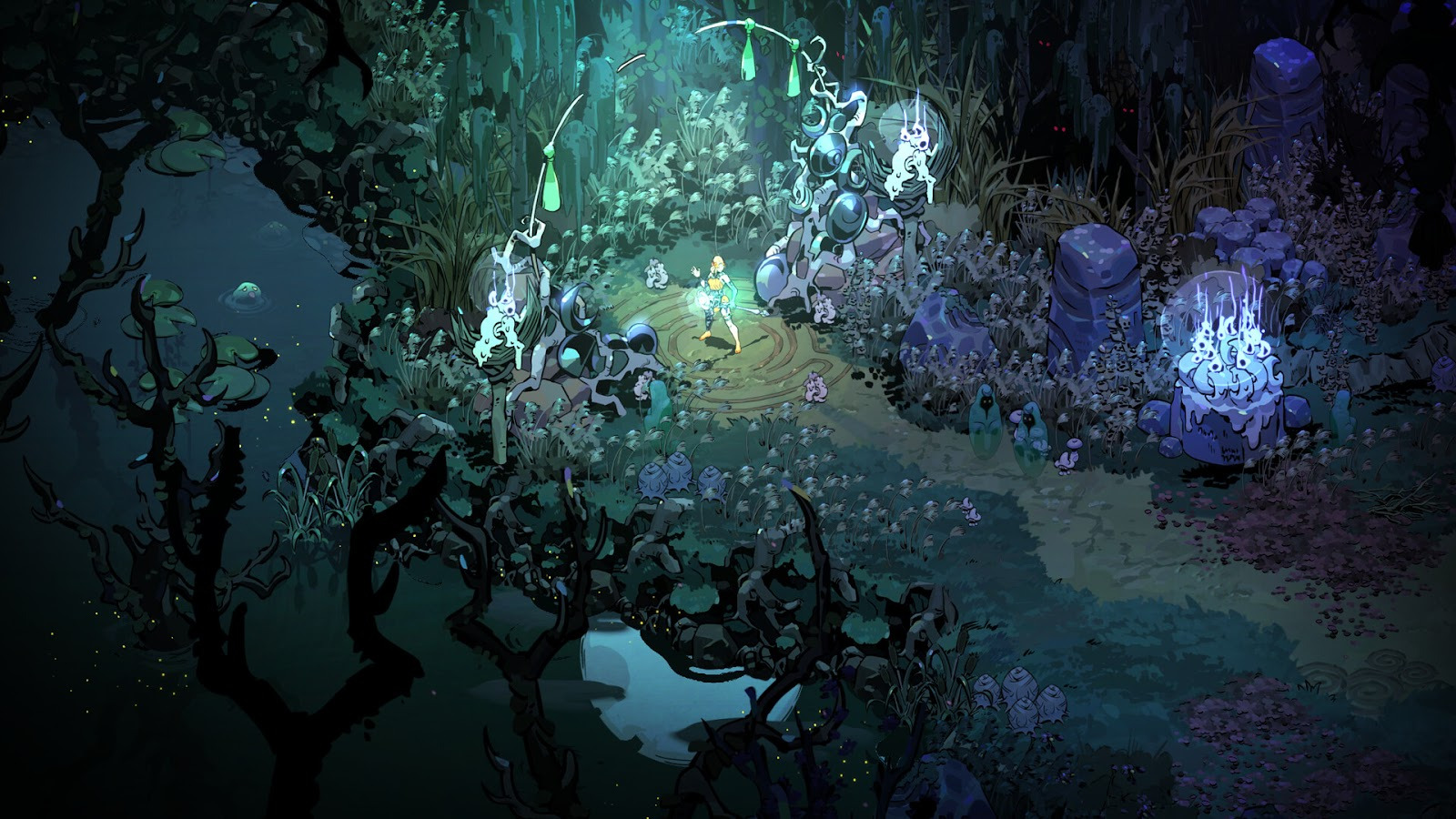
Not so in Hades 2. Few games give you such freedom and choice to tackle its many trials and tribulations while systematically and unwaveringly hitting such joyous depths of quality. There is so much to draw you in the music, the gorgeous hand-drawn avatars, the intricately detailed rooms, combat built on such sleek and measured mechanical fundamentals, the chasm-like pool of build-crafting options, and Supergiant’s frankly disgustingly brilliant writing.
And so, in the shortening autumnal days, the masterful irregularity of Hades 2’s patterned roguelike design took some of the sting out of my routine’s deadening repetition in a way no other game has this year. It’s also been a reminder to me that a full life doesn’t come from the things you have to do, but from the ones you choose to do.
FAQs
Yes, Hades 2 left early access and officially launched on September 25, 2025.
No, not necessarily. Both are standalone titles that, although linked narratively, can be played independently of each other. It’s worth playing Hades if you can, as it is a fantastic game.
No, you play as his sister Melinoë in Hades 2.
About the Author