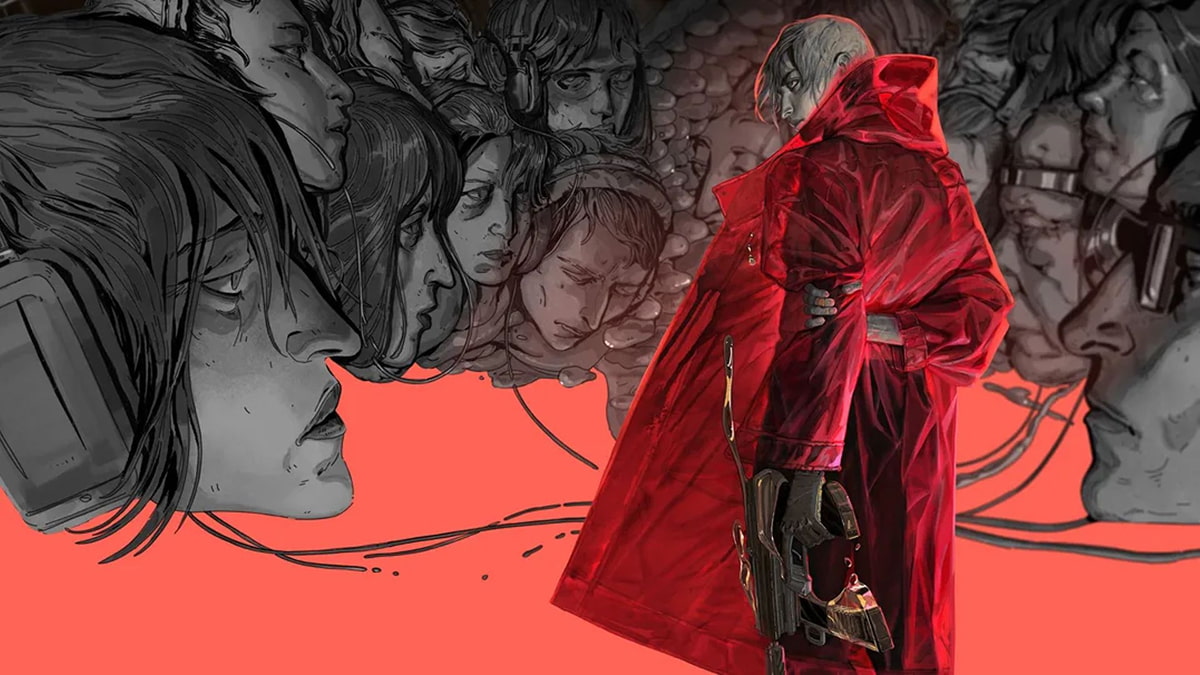
You can trust VideoGamer. Our team of gaming experts spend hours testing and reviewing the latest games, to ensure you're reading the most comprehensive guide possible. Rest assured, all imagery and advice is unique and original. Check out how we test and review games here
Your rickety boat pulls up to shore, and the shadow of a mysterious island envelops you. This is your former home, a place crafted by people you’re familiar with. But now you’re back, and everything has changed.
After creating the grisly yet beloved horror games Little Nightmares 1 and Little Nightmares 2, the talent at Sweden-based Tarsier Studios is attempting a return to form with Reanimal, a brand-new two-player horror adventure releasing on February 13. VideoGamer spoke to Oliver Merlöv, COO of Tarsier Studios, and Joschka Pöttgen, lead core engineer at Tarsier Studios, to learn more about the project.
- Reanimal is a brand-new co-op horror adventure from Tarsier Studios, the creators of Little Nightmares 1 and 2.
- Reanimal is the product of a messy creative process.
- The developers wrestled with challenges posed by the new co-op mode.
- The folks at Tarsier challenged themselves with a new approach that goes all in on the horror.
Fresh nightmares
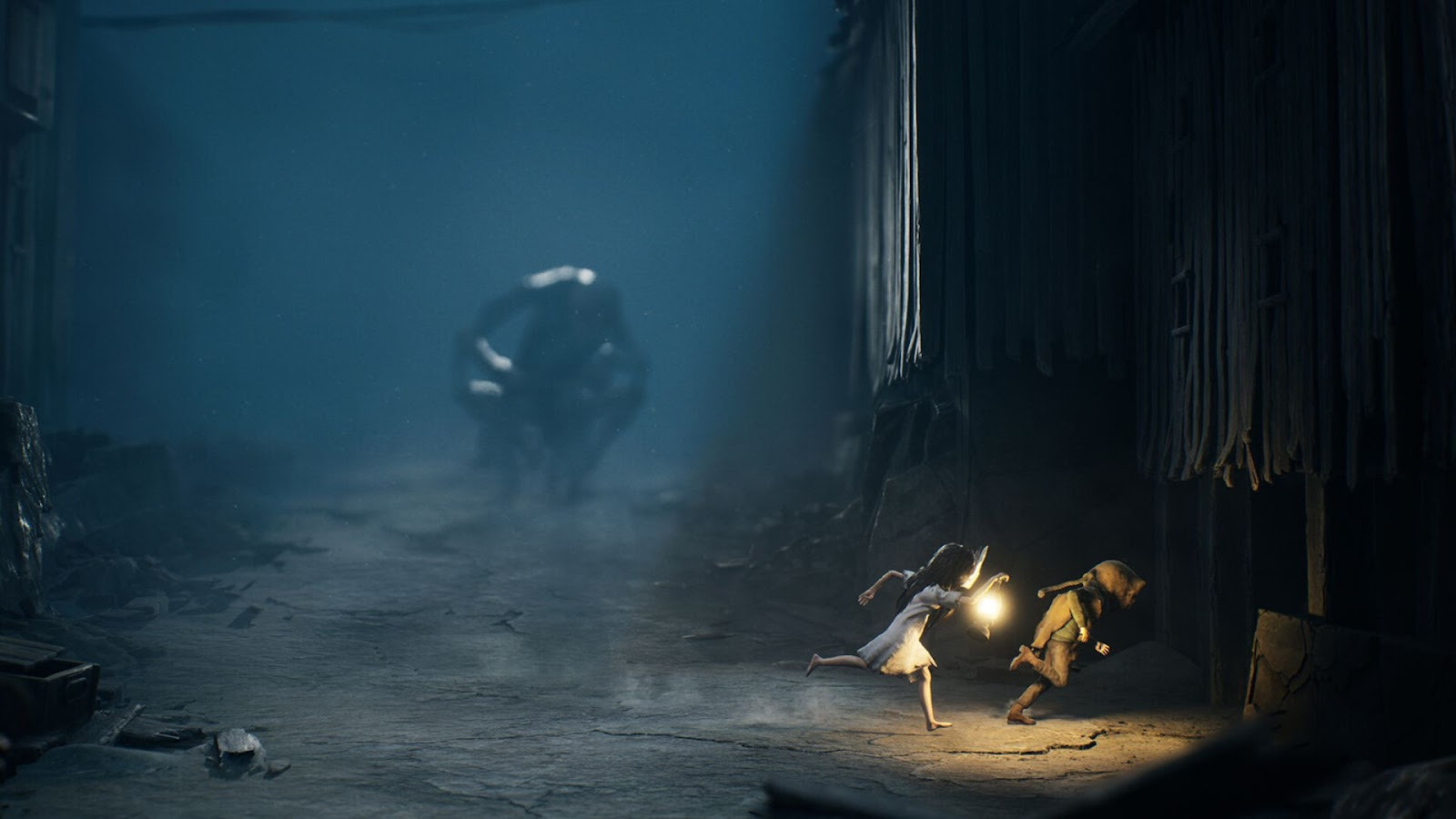
“When we started to do this project, we were like, ‘Okay, what are we doing now?” Merlöv begins. “We’ve done Little Nightmares one, we’ve done Little Nightmares two, what do we want to do now? And we tried a lot of different things.”
Pöttgen expands on the threads that connect these different ideas and the overarching theme that connects them. “One thing that does keep coming up is also kind of this juxtaposition of opposites,” he explains.”
“You have a cute kid on the one hand, which gives you, maybe to some extent, a feeling of security. But then there’s the stark contrast of the environment, of the monsters and the horror, which then I think together gives a quite unique package,” he continues.
“I think that’s kind of at the core of a lot of it, having that contrast to make stuff shine.”
Merlöv jumps in. “It is a very subjective process,” Merlöv adds.
“We can all talk about it over a cup of coffee, about what we like,” he elaborates.
“But it’s when we start to see it and feel it, like ‘this is right,’ or ‘this is a bit off, okay, then we don’t do it. Now it feels right? Then it has its place.’ and then we go all in and make it the best we can. It’s a messy creative process.”
Together in hell
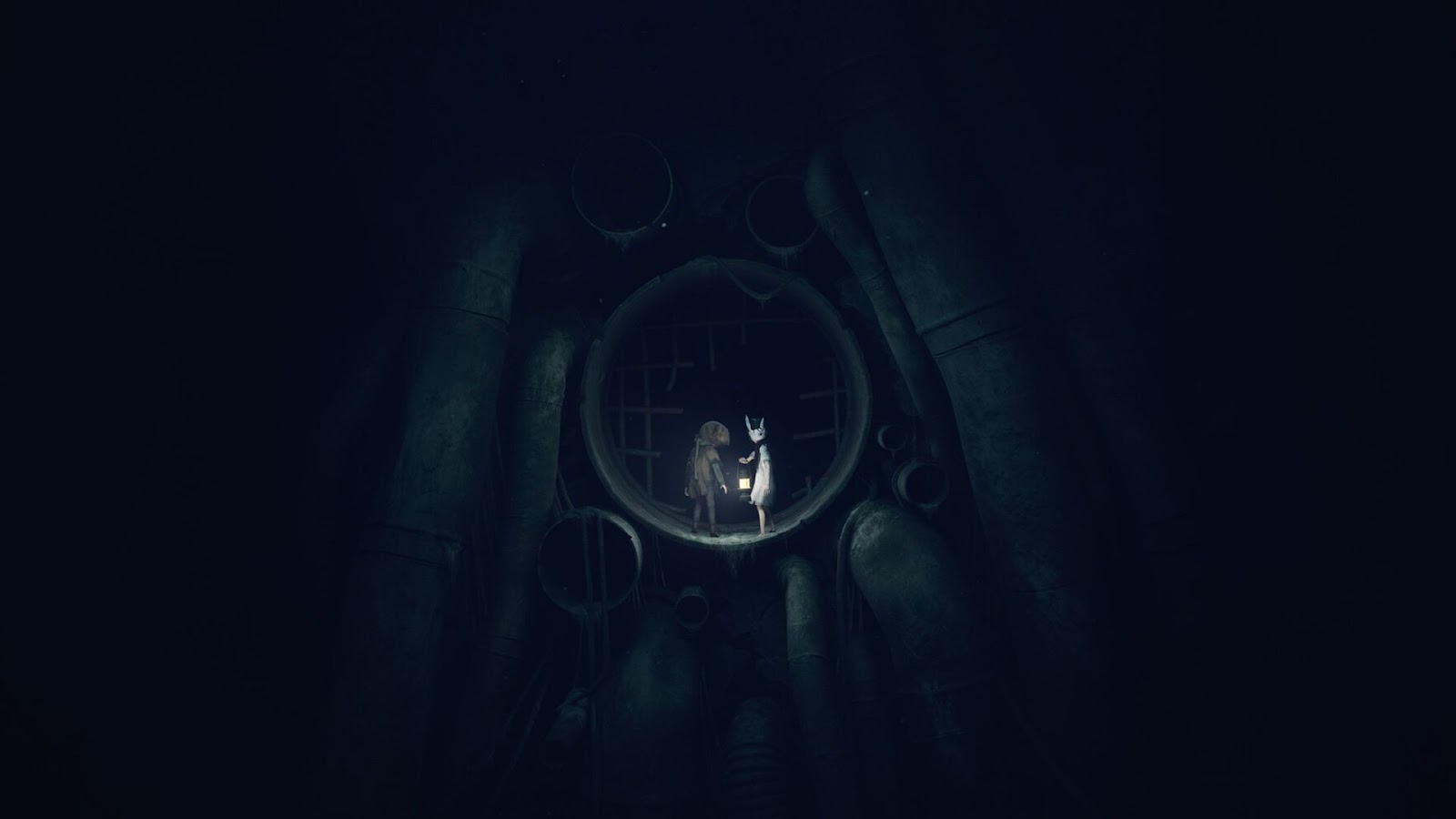
The boldest of these new ideas is, perhaps, the new two-player co-op mode, which encourages you to brave the horrors with a friend or family member. Those disappointed by Little Nightmares 3 (notably not developed by Tarsier) and its middling gameplay experience will know well the pains of a poorly implemented multiplayer mode.
This was not only new territory for the tech team, but played a crucial role in the direction of the game as a whole.
“It’s completely different gameplay, to some extent, if you make something for two players,” Pöttgen begins.
“And then also having to keep in mind ‘okay, this also needs to work as a single player with the AI companion’. That made it certainly more difficult in parts,” he describes.
“Because everybody has their own play style. It becomes a bit more fun, people jump around, and you kind of destroy some of the atmosphere, and that was what we were afraid of. But then, like when we started building the environment, building the gameplay, and actually seeing people play it, it was kind of the opposite.”
Pöttgen went on to outline what this meant for Tarsier’s overall approach to design.
“It’s a little bit like when you watch a movie together with your best friend, a horror movie,” he continues.
“It’s like you can laugh off a little bit of the scare, so it becomes a much more enjoyable experience. It has also been kind of the guiding light from this, from the get-go, scared together. That was kind of a mantra we’ve been saying, both for the kids on screen, but also for the players.”
A new breed of fear
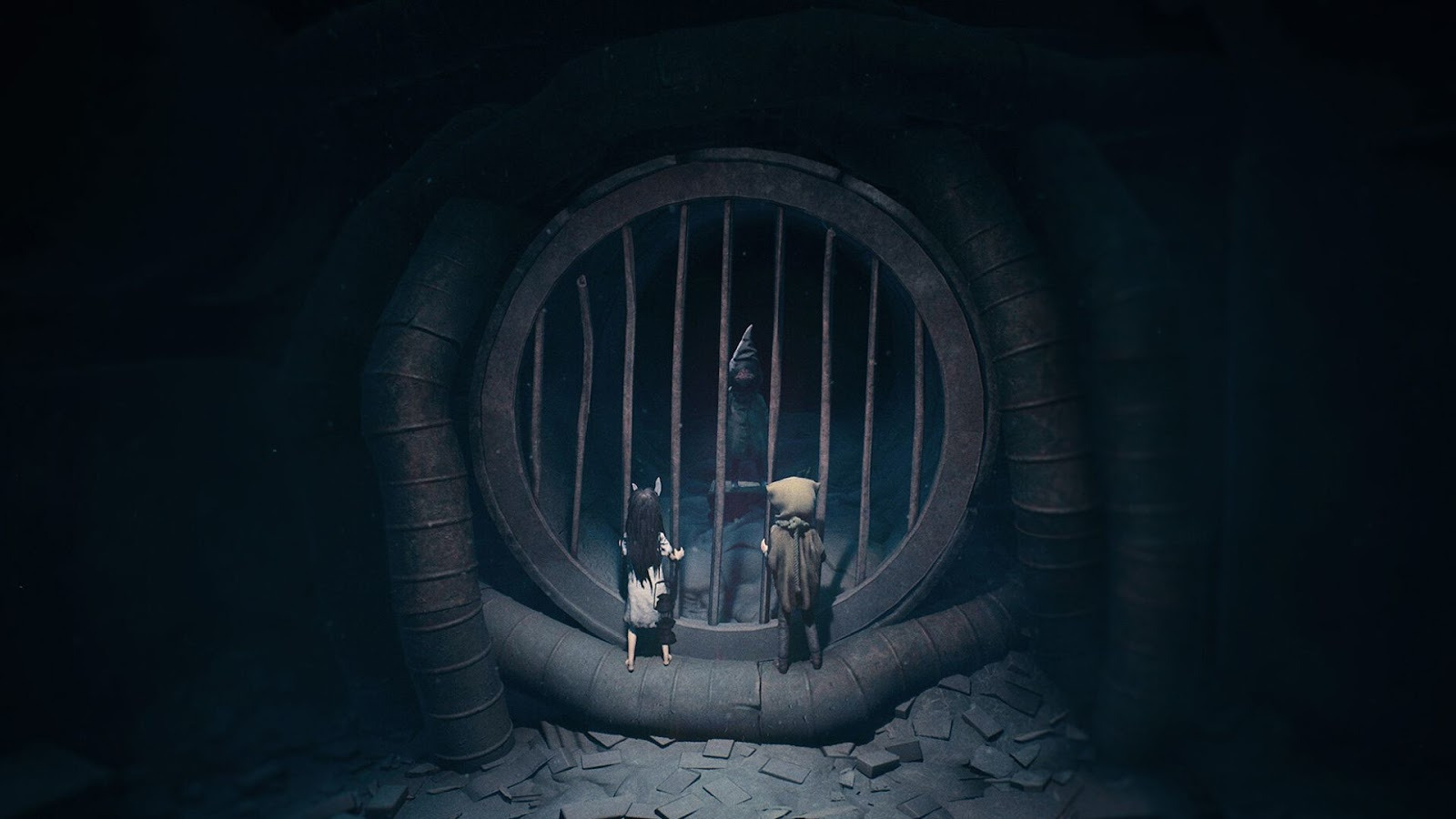
Contrary to the whimsical world and dollhouse perspective of Little Nightmares, Reanimal is the furthest thing from a dream. As Pöttgen describes it, “here it’s really like you are in this world of the kids that has been somehow transformed into this horrible environment.”
“We wanted to move a little bit away from the whimsy and take a bit of the security away that Little Nightmares gives you,” Pöttgen continues.
“Where you have like, ‘oh, but this is kind of a cute world,’ and just go all in on the horror aspect.”
This new approach exemplifies Tarsier’s strengths and lets the team do what they do best: create bone-chilling, atmospheric horror.
As Pöttgen puts it: “at some point, you’re also realizing you can’t just do a 180, right? You can’t just turn around and do the complete opposite of what you’ve done before. So we’ve tried to lean into our strengths, but evolve and make something interesting that’s different.”
Quality horror
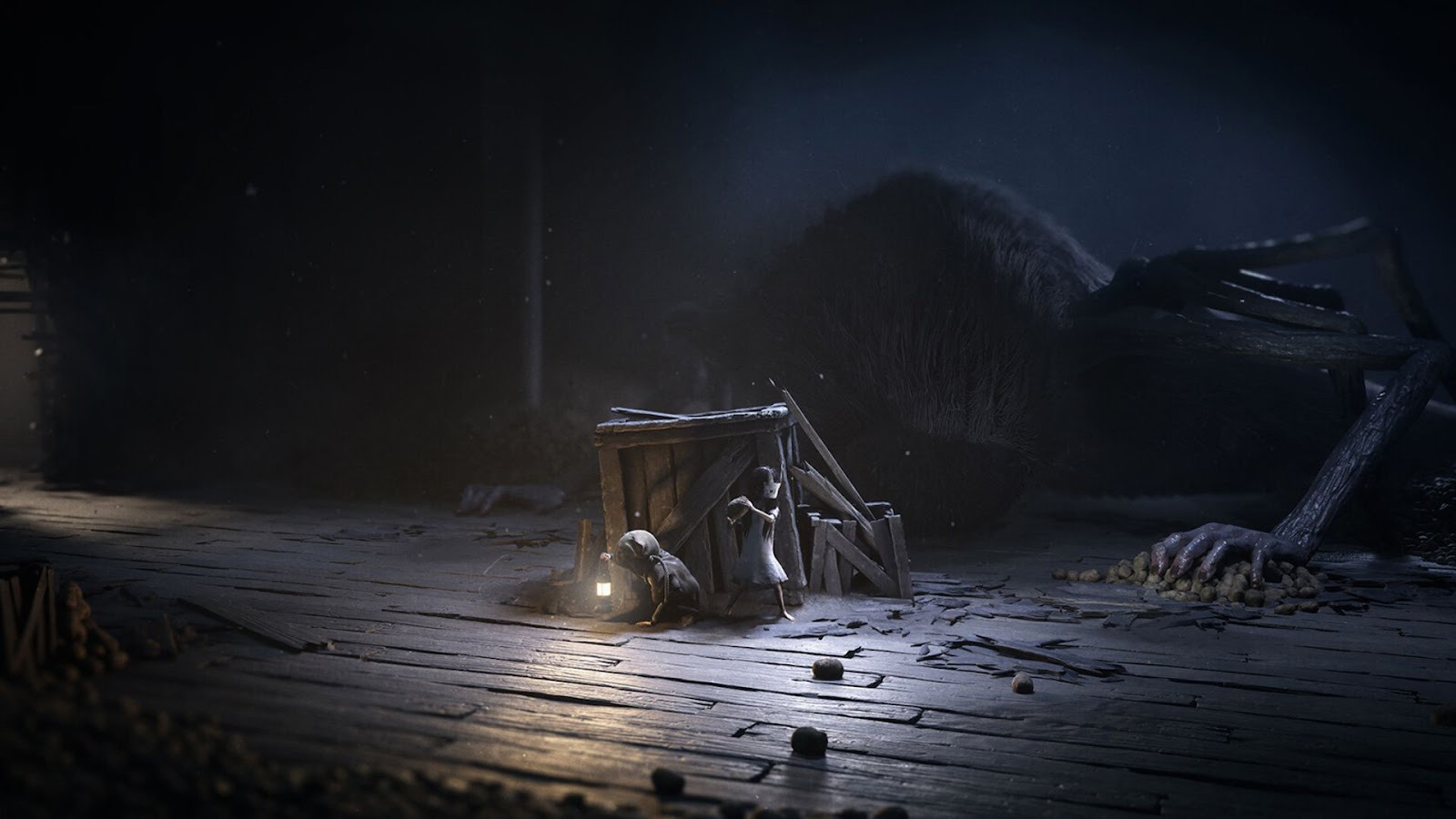
Horror is not the only aspect that connects Tarsier’s best-known titles. By choosing to follow their own method of game development, the studio endeavours to make Reanimal and their future projects reach their standards for quality.
Merlöv details how the team doesn’t waver from their vision due to industry trends. “You could be scared and go, ‘Oh, there’s this new trend’,‘ We must do this’ or ‘we must do this’,” he explains.
“We’re listening to it. We’re reading. But we find where we can bring our special version of quality, so to speak, that people seem to enjoy, and then we stick to that.”
Pöttgen echoes this sentiment, expanding upon it: “It’s also down to individuals at the studio who keep talking about this and keep us on this path. Both from a visual identity perspective, but also the approach to making games, and the kind of games we end up making.”
He then adds how their shared commitment to the show-not-tell storytelling style seen across Tarsier’s work, a style carried forward in Reanimal.
“We give a little bit more with the voices of the kids, where they have a few more interactions that actually tell you a little bit more. But I also like that we took, also there, a kind of minimalist approach again.”
Merlöv nods in agreement.
“It’s a real fantastical world, but it’s still a bit grounded,” Merlöv says. “And then it’s co-op especially, so it would be very strange if they would never say anything.”
Committing to this Tarsier style in a world where they can delve deeper into the horrors is what makes the advent of Reanimal so thrilling. “The whole team has been working on making the main game,” Merlöv explains, “making the full Reanimal game, as good as we can, polishing it as far as we can.”
We have yet to explore the twisted island of Reanimal for ourselves, but speaking with Merlöv and Pöttgen, it seems that the upcoming horror adventure may well have the goods. We can’t wait to see the game for ourselves.
FAQs
No. Reanimal is set in a brand new world created by Tarsier Studios, the developers of Little Nightmares 1 and 2.
Yes. Reanimal features both local and online co-op. A friend pass is also planned for a later date, so when it’s released, you’ll only need one copy of the game to play with a friend online.
Yes, Reanimal fully supports single-player mode.
Yes, Reanimal is designed to be darker and more visceral than Little Nightmares.
About the Author