You can trust VideoGamer. Our team of gaming experts spend hours testing and reviewing the latest games, to ensure you're reading the most comprehensive guide possible. Rest assured, all imagery and advice is unique and original. Check out how we test and review games here
I talk about games quite a lot. Partly because it’s my job, but mostly because I enjoy sharing my unwanted opinions with an unwilling audience. The good, the bad, the supremely mediocre – if I play it, I’m going to talk about it. But every now and again a game comes along that I can’t really find the words to describe. Something that clicks with me so vividly, that I can’t help but mindlessly gush over it.
And this year, that game for me was Chants of Sennaar.
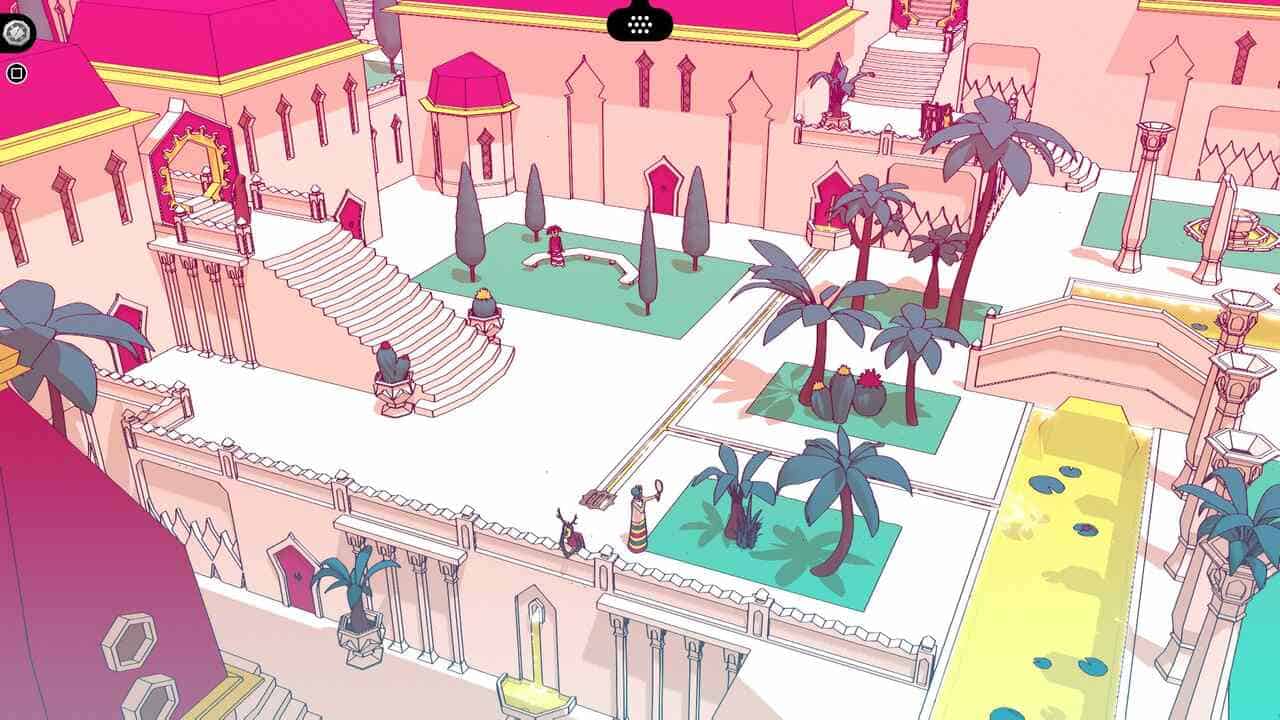
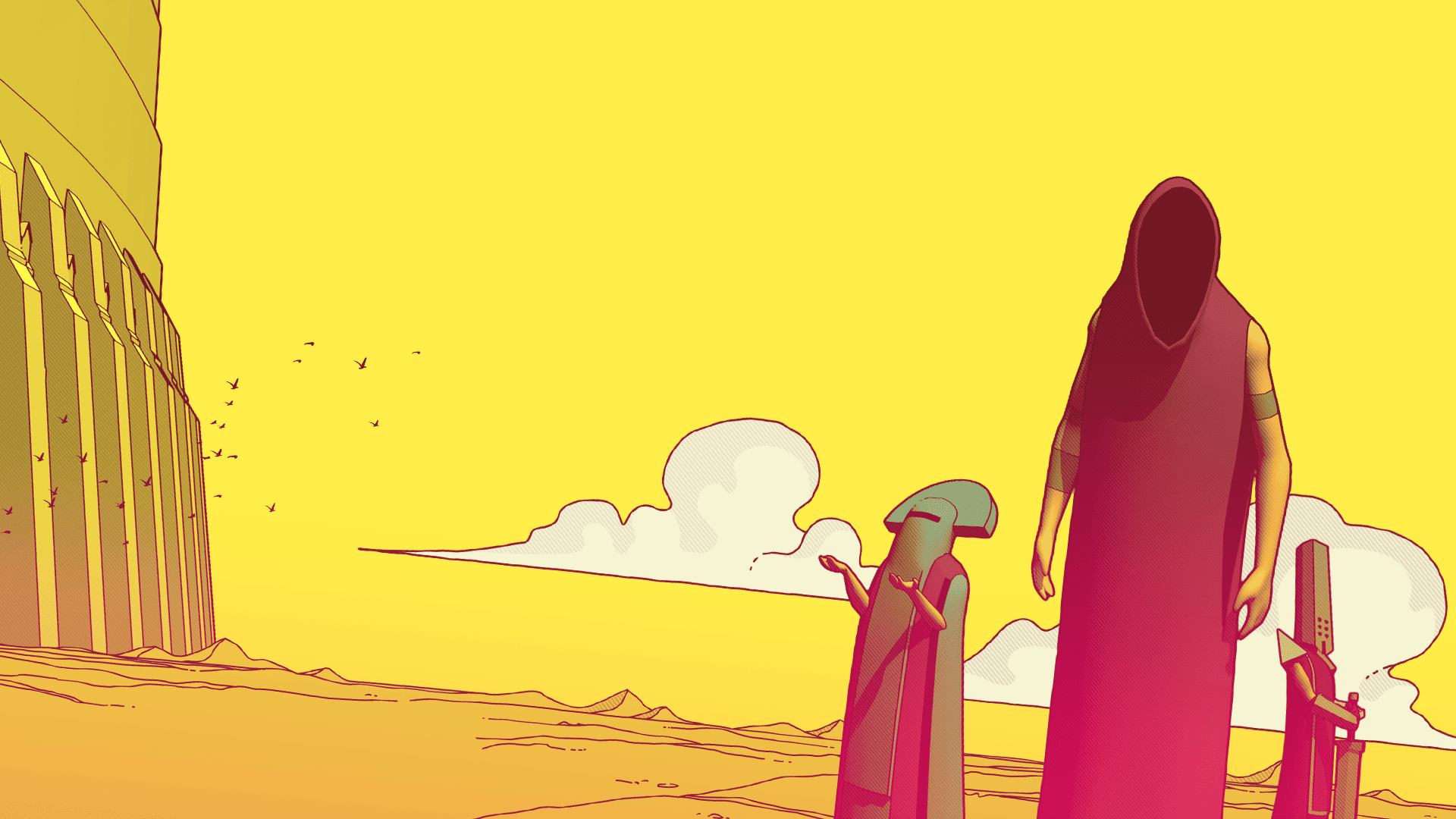
The game isn’t coy about its influences. It takes place in a tower, manifestly a parallel to the biblical Tower of Babel. Every level of the tower is secluded, each populated by a different caste of people, with their own languages and cultures documented in alien glyphs for you to decipher.
Each level is distinct in its architecture, too, with stunningly designed settlements that summon up images of locations as varied as Hindu temples or the setting of an Asimov novel. By talking to the people, investigating their script, and using context clues, you begin to fill in the pages of a book, compiling a dictionary of translations that reveals the world around you.
It’s a mechanic reminiscent of Return of the Obra Dinn. Like each death in Obra Dinn, each word is a piece of a larger puzzle, the sum of which only becomes apparent once you’ve assembled the whole. For much of the game, you’ll be guessing haphazardly at what each word could mean, but every three you guess correctly opens up the door to more clues.
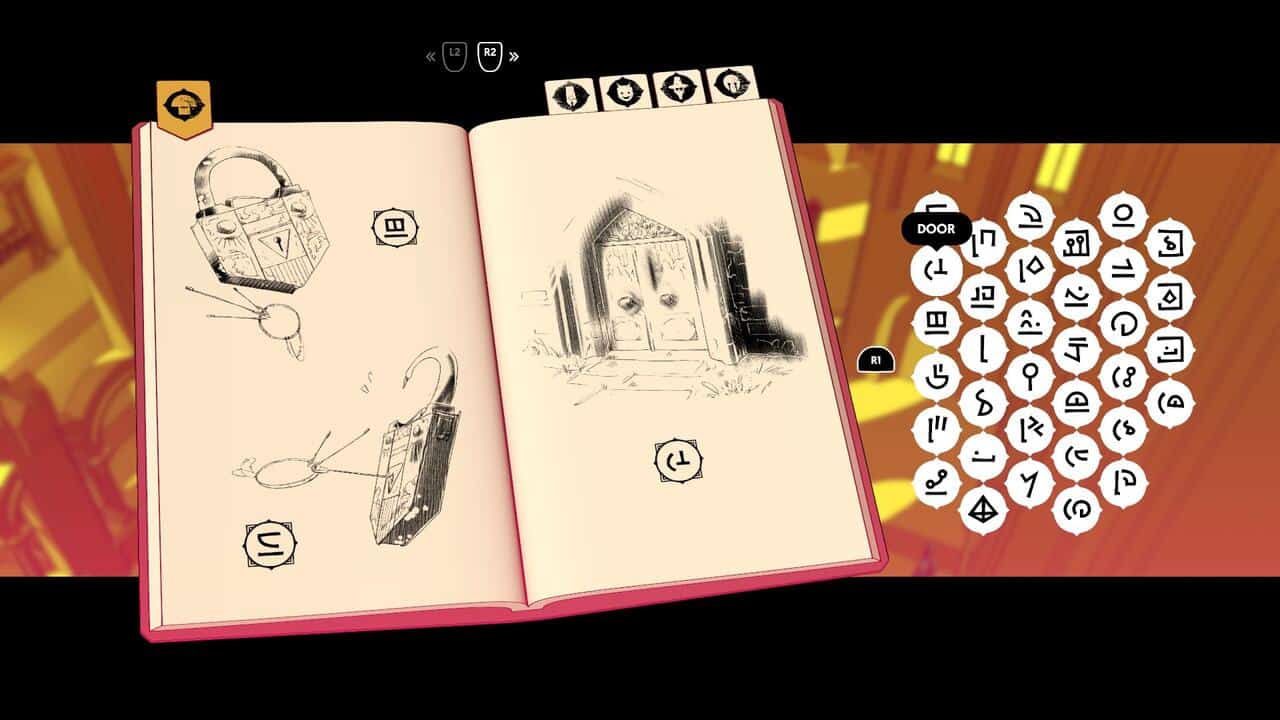
This system lets you approach the game in a way that suits you. If you’re not a big puzzler, you can brute-force your way through the translations with random guesses. But for those willing to meet the challenge the game puts down, there are some brilliantly fiendish puzzles on offer. The higher you climb, the harder the language becomes to decipher; more words, new grammar rules, harder puzzles, with each stage more satisfying to complete than the last.
Woven through the fabric of the game is the story of the tower itself. Of how the people of the tower became separated, trapped in a small slice of a larger whole, unable, or perhaps unwilling, to escape the comfort of their lives to experience the world around them. As you climb the tower, you begin to draw these threads together, dissolving barriers and re-establishing connections between cultures.
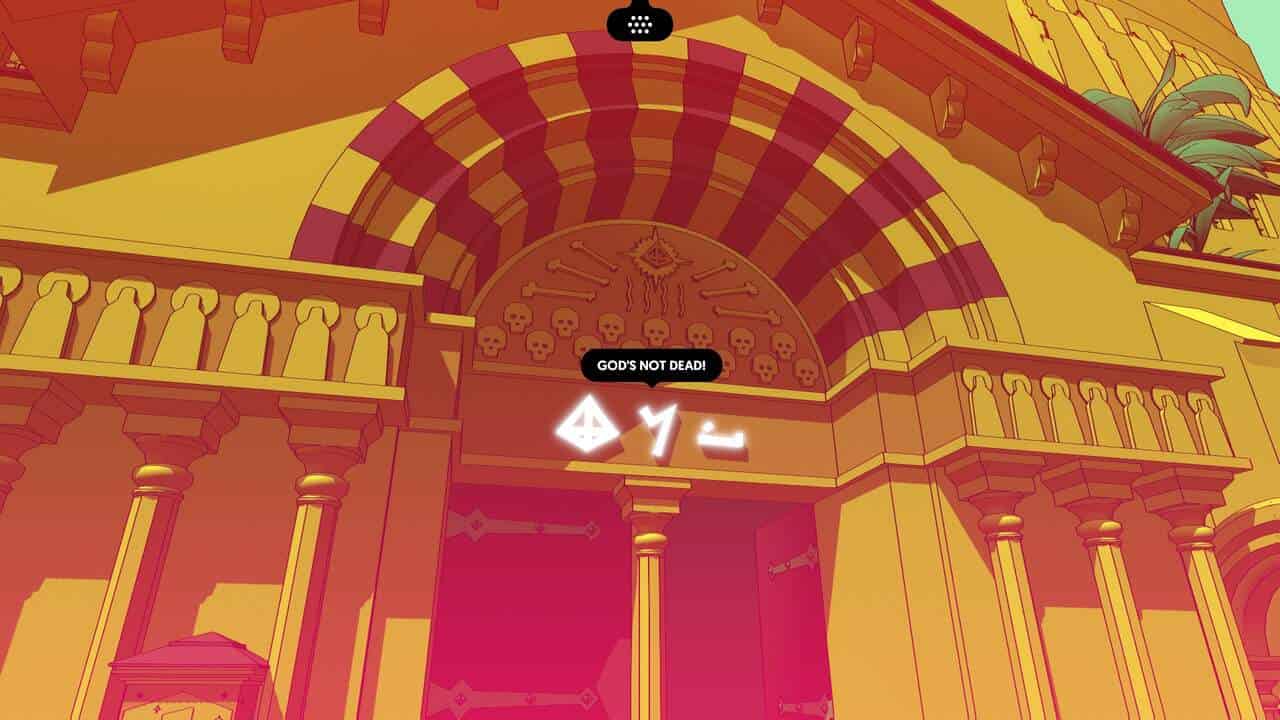
This game is a beautiful evocation of what it is to learn a language. Starting off with knowing nothing, to understanding the basics and working things out from context, to finally being able to understand another people and culture in a way you never would have before. Language learning is a puzzle, and Chants of Sennaar captures that feeling and distils it down to a few short hours.
The feeling I got when I finally understood a word made me feel like a genius. It’s the same feeling as when I overhear someone speaking in a foreign language and understand it. When I go to another country and can have a conversation with the locals. The giddy feeling of the first time I woke up to realise I had just dreamt in a language that wasn’t English.
The longer you play Chants of Sennaar, the clearer it becomes that this isn’t just a puzzle game about language, it’s a polyglot’s manifesto. A full-bodied celebration of what it means to learn another language. At a time when so many people and places are intent on shutting off their borders to the outside world, it’s a reminder of how important it is to embrace what that world has to offer. After playing, I went back to practising my German. I started trying to learn Malay, something which I had been putting off for years. I came out of this game genuinely inspired.
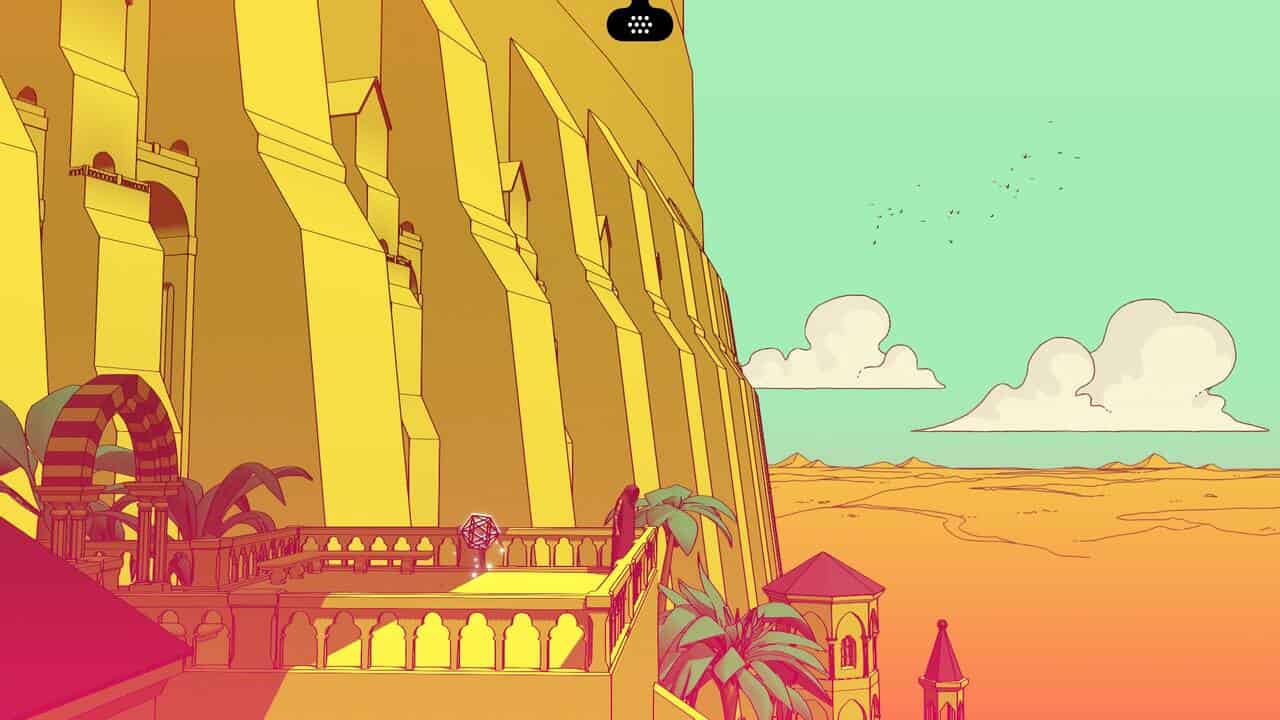
For the last couple of months, I’ve struggled to fully put into words how I feel about Chants of Sennaar. It’s as if my brain has been remodelled by the game itself, morphed into a cluttered mishmash of adjectives, each vying for their place at the forefront of my mind. But when all is said and done, how I describe the game doesn’t really matter to me.
When a game clicks for you, like Chants of Sennaar did for me, you could throw out all the words in the world to try and convey why you love it. But nothing you say can ever fully convey the feeling of experiencing something you truly connect with. Why did I love this game so much? Because I did – what more is there to say? Chants of Sennaar is a beautiful experience with an important message, and one of the best puzzle games I’ve ever played. I won’t ever forget my experience with this game, and I hope that you won’t either.
About the Author