You can trust VideoGamer. Our team of gaming experts spend hours testing and reviewing the latest games, to ensure you're reading the most comprehensive guide possible. Rest assured, all imagery and advice is unique and original. Check out how we test and review games here
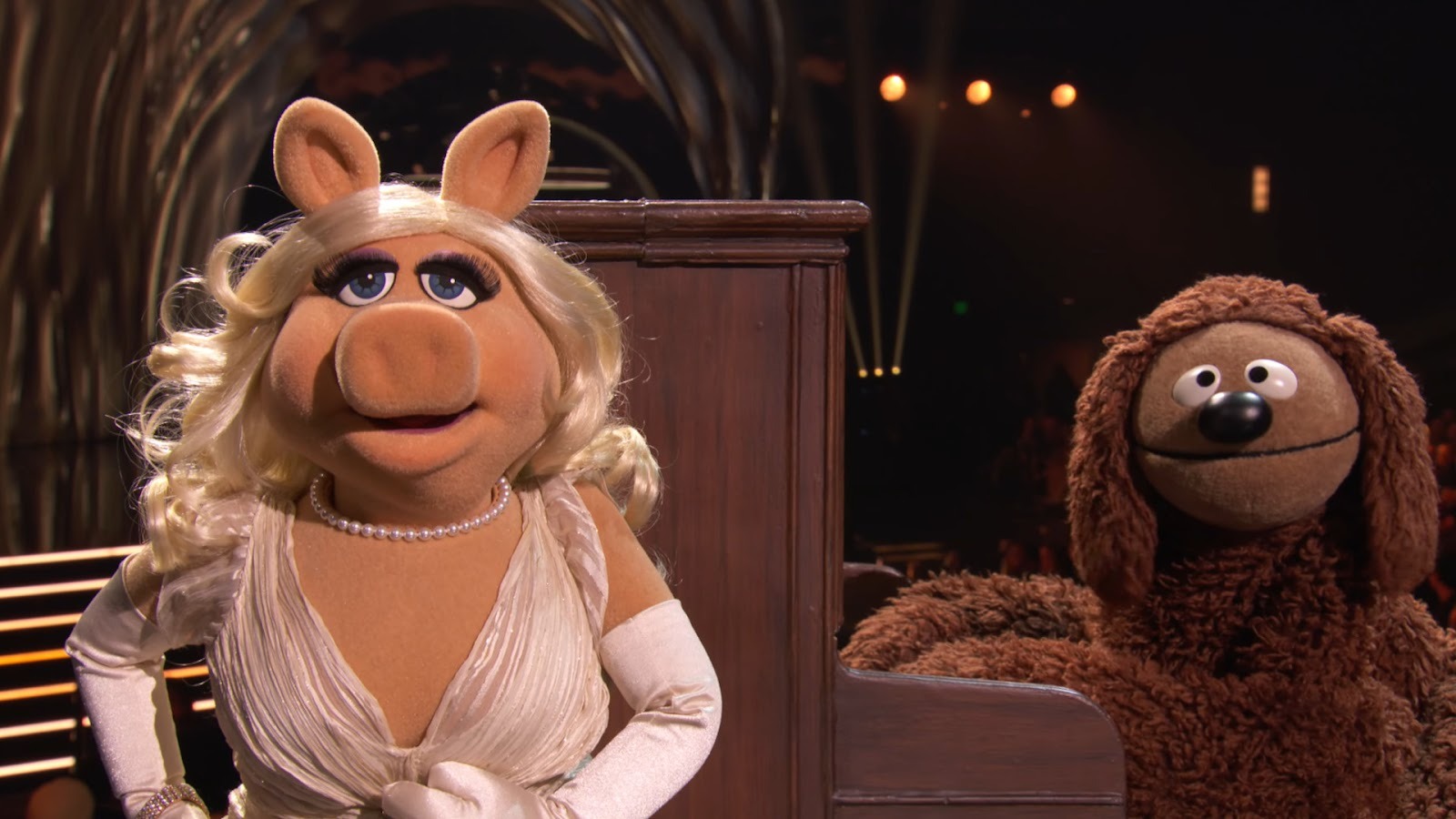
Last year’s Game Awards boasted some major highlights, including Jennifer English’s strong acceptance speech for Best Performance, as well as the on-point musical performances that peppered the show. However, putting aside the glitz and the novelty of having the Muppets as guest hosts, there are plenty of lessons to be learned from the rockier aspects of The Game Awards.
Clair Obscur Expedition 33’s success, while mostly justified, cast a long shadow over indie games, highlighting a rift in the industry’s understanding of what it means to be ‘independent’. Meanwhile, union members held protests outside the ceremony, highlighting an industry in turmoil.
In the shadow of the monolith
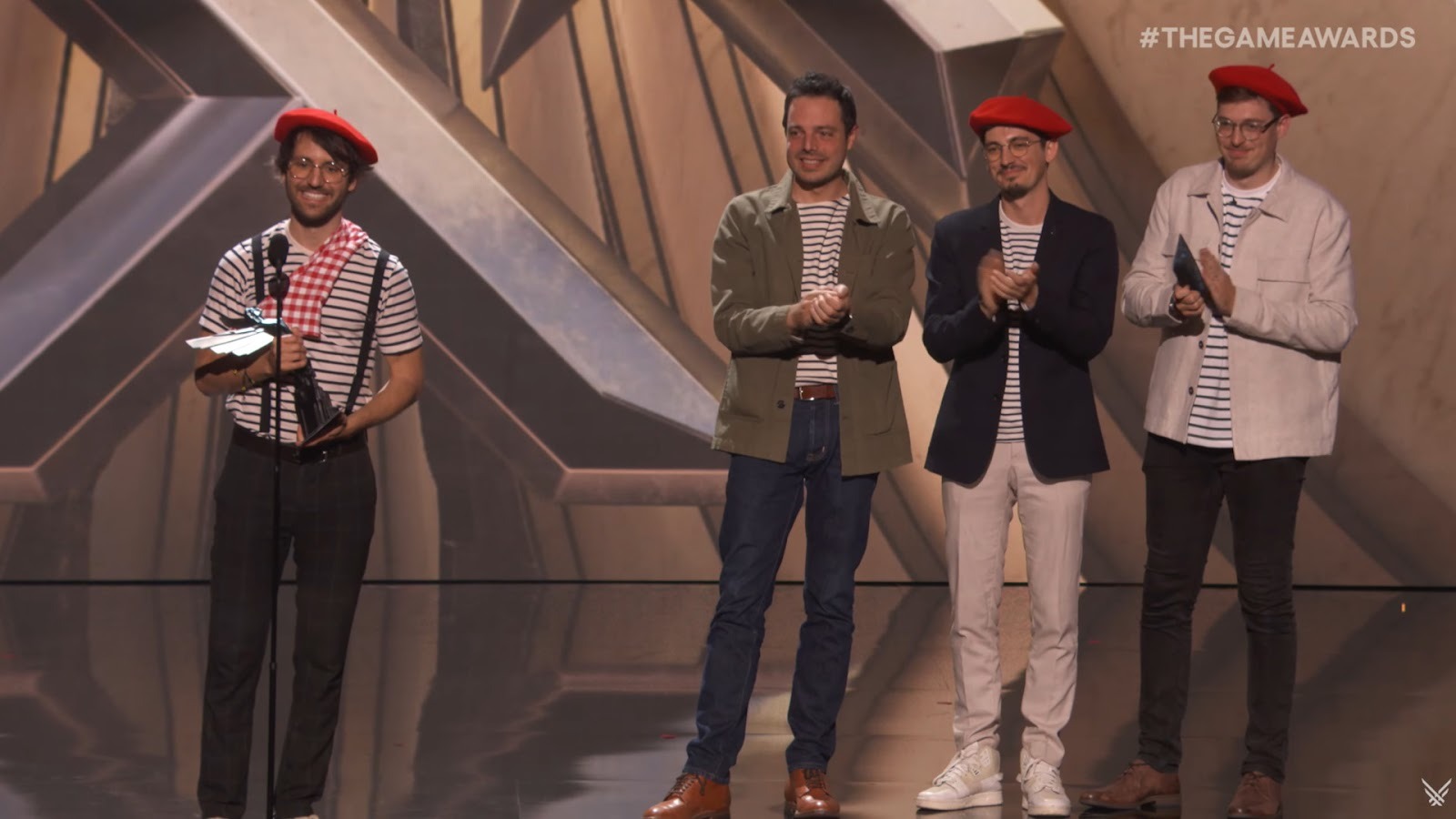
Obviously, the big winner of The Game Awards was Clair Obscur Expedition 33. It was nominated for ten different awards and came away with nine of them, only losing out to Battlefield 6 for Audio Design.
Clair Obscur Expedition 33 is a success story, showing the power of just putting out a good, complete game and watching it grab people’s attention.
However, Expedition 33’s success in categories intended for independent games raises some uncomfortable questions.
These categories are supposed to allow smaller games and their developers the opportunity to get the recognition they deserve, safe from the more elaborate heavy hitters that are battling it out for Game of the Year.
Sandfall Interactive allegedly developed Expedition 33 for the relatively low cost of under $10 million (£7.39 million). However, its inclusion of high-profile Hollywood actors such as Andy Serkis and Charlie Cox, as well as Director Guillaume Broche’s status as the heir to a finance dynasty, calls Expedition 33’s ‘indie’ status into question.
What’s in a name?
The definition of an ‘indie game’ is difficult to pin down. A title’s indie status seems to come down to whether or not it feels like an underdog, outside of the control of the corporate behemoths that tower over the games industry.
This vagueness creates a sense of ambiguity, which allowed the Game Awards jury to attempt to style itself as a champion of independent development while seeming out of touch to many folks at home.
With its soaring orchestral score, star-studded cast, and commitment to an established cinematic language, Expedition 33 looks like what a “respectable” indie game should be in the eyes of The Game Awards’ jury, despite not necessarily deserving the honorific.
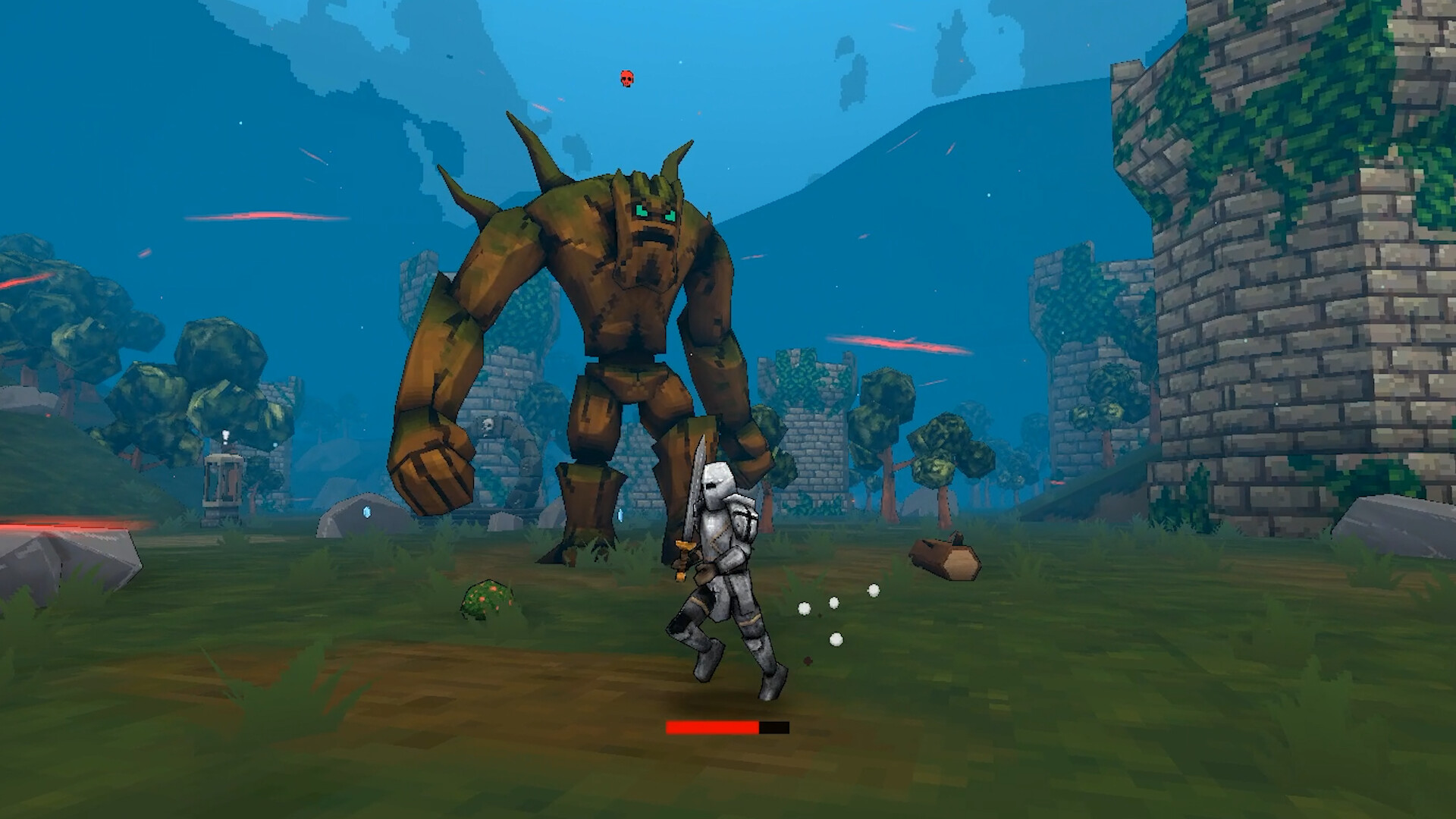
Even Broche himself advocated for a different title to win Best Independent Game: joyful roguelike survival game Megabonk.
The likes of superpowered drama Dispatch and intriguing mystery game Blue Prince, both excellent indie offerings in their own right, have been starved of light by the long shadow of Expedition 33.
Going into 2026, fans and critics alike must hold influential industry figures to account regarding how they frame discussions surrounding ‘indie’ games. We must be prepared to ask difficult questions regarding what makes and doesn’t make game development independent.
Vox populi
While the main categories for The Game Awards are mostly dealt with by a jury, with a small weighting given to public votes, it’s the Players’ Voice award that can really show the popularity of games in the year.
Expedition 33 and Hollow Knight Silksong made it to the top five contenders for Player’s Voice, showing some overlap with critical orthodoxy. Fans also recognized the otherwise snubbed Dispatch, with that same swell of support that earned it a Steam Award.
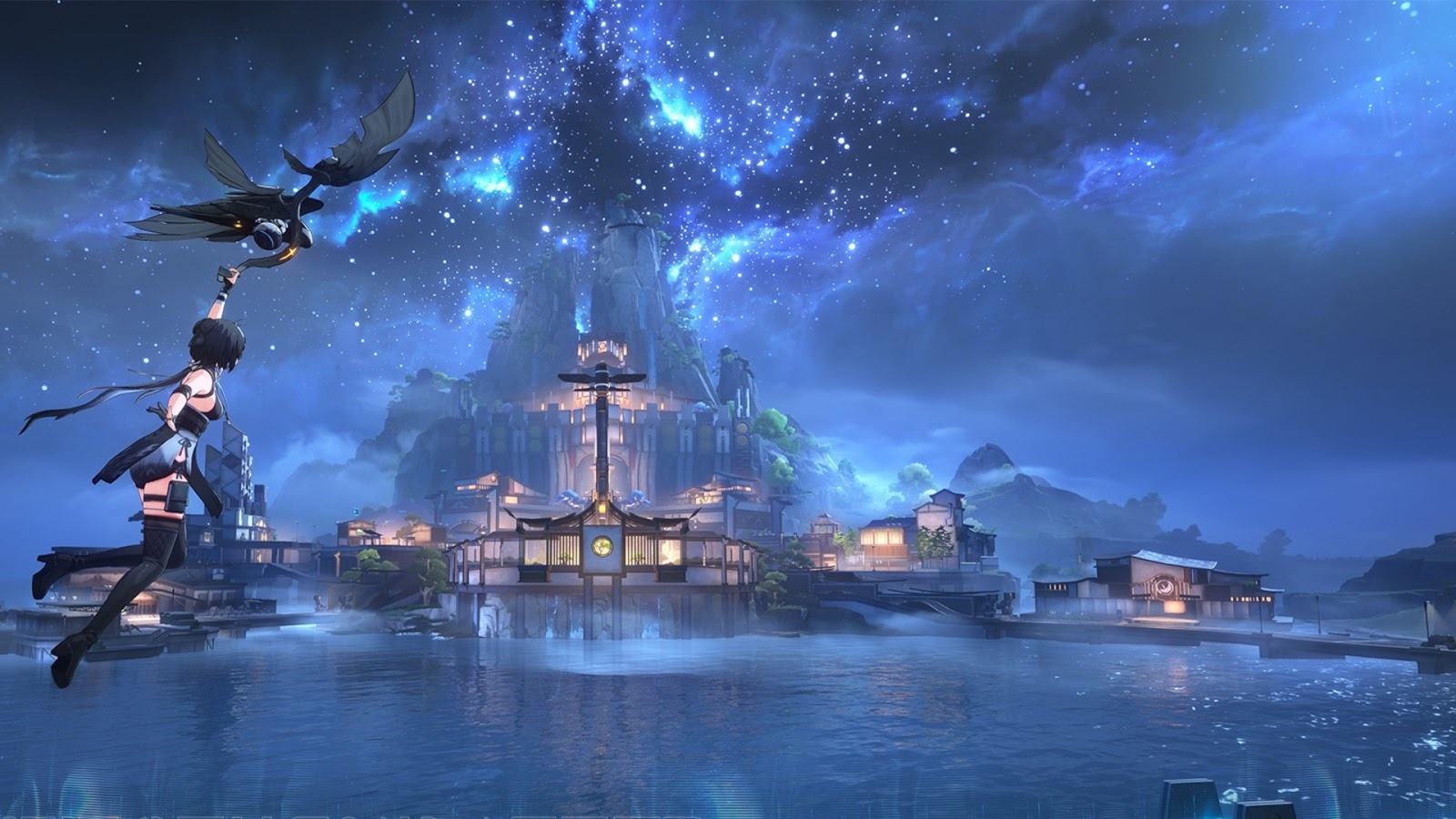
The winner of 2025’s Players’ Voice was the impressive free-to-play gacha game Wuthering Waves. This isn’t just highlighting the difference between what is critically acclaimed and what is popular; it’s also a strong vote for the power of economic accessibility in video games.
The free-to-play games have a wide invested player base because there is basically no barrier to entry; you can’t get much more affordable than that. However, even the other nominations were on the cheaper side, with Silksong at $20 (£16.75). Dispatch was also able to grow its audience through a strong streamer presence before people even needed to buy.
The lesson here for 2026 concerns accessibility. It may seem obvious, but titles with lower barriers to entry are poised to have a far greater influence on audiences as a whole. This is especially pertinent in the context of the global cost-of-living crisis and will only continue to ring true as we make our way through 2026.
Money talks

While protesters stood outside The Game Awards, trying to bring awareness to the layoffs and instability of the industry, the awards show broke its viewer records. As unions attempted to point out the alleged union-busting efforts of Rockstar, The Game Awards gave a ‘Most Anticipated’ award to Grand Theft Auto 6.
The Game Awards are a commercial affair, not as interested in the sickness of the industry as it is to throw over an hour of game trailers at its audience.
In many ways, there’s more interest in the game trailers than there is in the awards themselves. While other awards shows are happy to focus on actually celebrating the people who make up the industry, The Game Awards has become a mini-E3 and is more than happy to charge for the privilege. A three-minute trailer at the Game Awards apparently costs over $1 million (£0.76 million), a small price to pay for such a large audience.
It’s something of an embarrassment for The Game Awards, which is supposed to be the biggest moment for the industry each year, to be so horrifyingly consumerist about the whole thing. We might end on the Game of the Year, but we have to slip in 10 minutes of trailers for games like Highguard just before we do.
With that, our last lesson for 2026 is as disheartening as it is predictable: money talks. Unless audiences and critics alike throw their weight behind collective efforts to change the industry, the role of corporate capital will remain central to video games through 2026 and beyond.
With contributions from VideoGamer’s Cat Bussell.
FAQs
Plenty of new games got announced at The Game Awards, including Larian Studios’ new RPG, Divinity, action-horror offering Control Resonant from Remedy, and Star Wars Galactic Racer from the makers of Burnout.
Clair Obscur Expedition 33 won Game of the Year at The Game Awards 2025, as well as most of the other awards.
The cutoff for games to be accepted into The Game Awards was November 21.
Indie is a vague term used to describe studios and games that are made without the backing of larger publishers; it can describe anything from a one-person effort to a studio like AdHoc or Sandfall.
About the Author