You can trust VideoGamer. Our team of gaming experts spend hours testing and reviewing the latest games, to ensure you're reading the most comprehensive guide possible. Rest assured, all imagery and advice is unique and original. Check out how we test and review games here
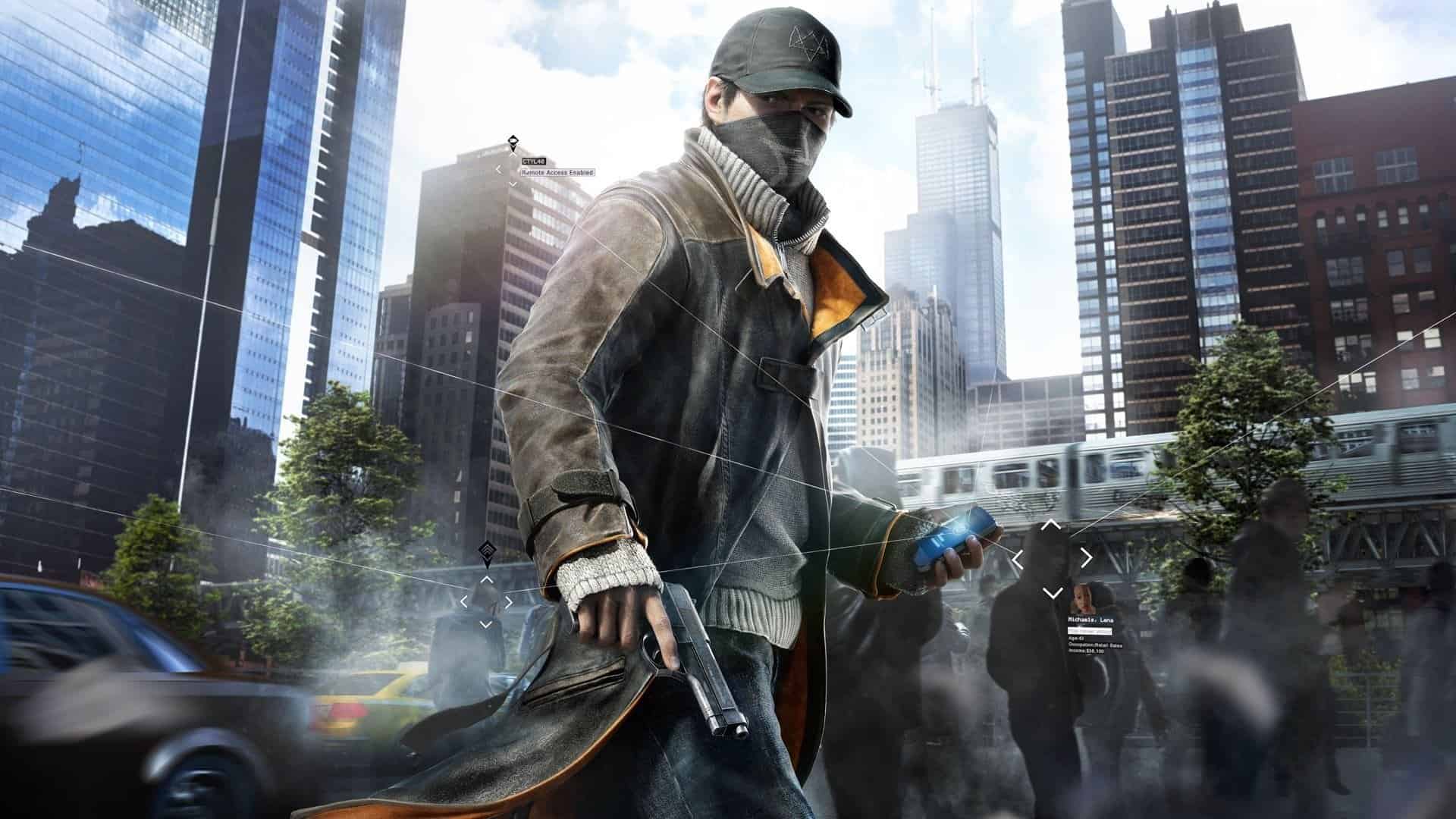
Divorcing expectation and reality is a tricky business in video games, especially if the title in question has been hyped up more than WrestleMania and payday combined. Unfortunately for Watch Dogs this split – which will inevitably occur, if it already hasn’t happened – looks like it may very well be particularly acrimonious. This is not the game you thought it would be, for reasons both real and imagined.
Or, at least, after three hours play it seems highly unlikely it will be. So far Watch Dogs feels like a proof of concept, a demo for a better game that’s coming in another two years. For every moment of innovation or excitement, there’s intrusive, leaden storytelling or uninspiring mission design. It’s a game that offers you a magic phone yet seems like it’s constantly out of batteries.
Like with most Ubisoft open-world games, Watch Dogs opens at a glacial pace, tutorialising what should be a thrilling escape from underneath a baseball game (including wiping out power to half the stadium) into ‘Simon Says Press The Square Button’. It then asks you to care about a story that you’ve got no involvement in yet, shooting for emotional attachment before it has earned any with the sort of terrible, incoherent sob story you usually hear on Jeremy Kyle. Really, all you wanted to do was run around using the magic phone to nick people’s credit card details.
It seems emblematic of a game at odds with itself, albeit one that sings when it gets the chance. When you’re off the leash, free to explore Chicago and dig around in the personal lives of those within it, Watch Dogs is a voyeuristic treat. The city itself is well-designed, complementing its varied areas – a glass and steel downtown, run-down factory quarters and social housing, rustic forestry – with a feeling that people actually live within them. Many open-world games are beautiful ghost towns, but this Chicago is a dirty metropolis.
It’s also a good-looking one, on PS4 at least, if not anywhere near as impressive as originally billed. While first glance is unlikely to cause any wild excitement, the details are delicious. Rainwater pools around gutters, reflecting neon signs in a manner that calls to mind inFamous: Second Son. In general, both lighting effects are excellent, with the brilliant blue police lights being a good example.
Elsewhere, the driving is fun (especially on the motorcycles) if difficult to get used to, and the shooting has a solid punch to it. Both of these elements are helped tremendously by the animation, which is high class as you would expect. There’s also an engaging feedback loop to encounters with police. It never feels like you can’t escape, more that you need an actual plan rather than ‘drive really fast’, even if that plan is nothing more than just pulling into a parking garage, killing the lights and pressing circle to hide.
It’s in these moments where Watch Dogs is at its best. Off-mission, Aiden’s desires mesh with the player’s, a far cry from the dissonance of the main story’s insistence on being taken seriously while boasting dialogue such as “That little wobbly dance”. You’ll be stalking potential criminals via a Minority Report-style percentage indicator (showing when they might start ruining people’s shit), hunting down gangs via GPS, sneaking into apartments via CCTV cameras, stealing money from the unsuspecting public, and hacking ATMs.
Sure, it’s not much more involved than pressing square on certain things when prompted. But Watch Dogs’ world is well constructed, and it wants you to play around in it. Exploding underground steam pipes, traffic lights and bridges work in your favour to concoct car chases that resemble, if not surpass, the action found in the (in)famous E3 2012 trailer. There are even ‘digital trips’ to buy, drugged-out rampage modes that see Aiden racing around knocking down Carmageddon-style zombies with flaming heads, or controlling a giant metal spider-tank that crushes all before it. Yes.
/https://oimg.videogamer.com/images/9d12/watch_dogs_preview111.jpg)
So it’s such a shame to have to go back and play the main missions, which are the standard combination of ‘follow someone from a to b’ or ‘follow invincible car until it’s not invincible anymore’, or ‘shoot everyone dead immediately’ types that are distinctly PlayStation 2, let alone 4. Talking with another journalist at the event, they wondered why the same imagination that had been poured into the off-mission stuff hadn’t been applied here. Why couldn’t you hack the person you’re tailing’s GPS, sending them the wrong way and cornering them? If you can remotely explode grenades attached to people’s chests, why can’t you cut a computer-controlled engine in a car?
If you can do these sorts of things later on in the game, and we just didn’t see them, then feel free to delete me from the internet. But if not, why not? Isn’t this the next generation? Why am I following the man when I should be shaping my own destiny? This is the main problem I have with Watch Dogs so far. It’s not a next-gen game, merely one that happens to appear on those consoles as well as the previous ones. You can influence your environment in the campaign, but in this instance that seems to mean stuff like setting up traps for arriving enemies, using your phone to raise and lower barriers that can be used as makeshift defences. Given the imagination on show elsewhere, this is a tremendous disappointment.
In fairness, I haven’t seen the rest of the game, but we were skipped a few hours ahead during our time playing it and there seemed little difference. There is, however, huge potential in Watch Dogs’ online modes. Players are able to drop-in via their phone, picking from various modes that all revolve around stalking or stealing from individuals or teams.
The Dark Souls-style invasion gametype, which sees one agent stealing data from another while in a certain radius, is a masterclass in paranoia. Those being stolen from have to successfully ID their assailant, who looks just like every other NPC. Your mini-map shows their general position, but you’ll have to flush them out. Are they hiding in a nearby car? Pretending to be an old lady hobbling down the street? Watching from a rooftop?
As the time ticks down, the target area shrinks and the mood intensifies, bemused players suddenly zeroing in on their targets. It becomes incredibly tense, and is a world away from the rote procession of the main story. Other modes are less strategic, but just as fun: a team-based mode where you have to acquire data and keep it soon turns into vehicular chaos, with teammates able to tactically gang up on foes to obtain the info. Score gains for each team are common, however, meaning it’s possible for one side to get to 99%, only to lose the intel and have the others tick it over to 100. Cue mayhem.
Sadly, due to networking complications (of course) I couldn’t spend as much time as I wanted in Watch Dogs’ online modes. Even so, it seemed to me that this is the future of this franchise. The present, however, is very much in the balance.
About the Author

Watch Dogs
-
UnknownUnknown
- Platform(s): PC, PlayStation 3, PlayStation 4, Wii U, Xbox 360, Xbox One
- Genre(s): Action, Adventure