You can trust VideoGamer. Our team of gaming experts spend hours testing and reviewing the latest games, to ensure you're reading the most comprehensive guide possible. Rest assured, all imagery and advice is unique and original. Check out how we test and review games here
That’s right, I said it. For all the intense hype surrounding Ass Creed Unity, The Division, and Far Cry 4, it was Siege that made the biggest impression when I saw it being played at Ubisoft’s pre-E3 showcase. Maybe that’s because it isn’t Another Ubisoft Open-Worlder, or maybe it’s because its Counter-Strike-style play looked genuinely engaging. Either way, it was a welcome surprise.
The setup: four terrorists are holed up in a location (in this case, a large suburban home) with a hostage, and have to fortify the building with movable barricades, shields, explosives and other tactical gear. The opposing SWAT team has to breach these defenses, and either rescue the hostage or shoot everyone dead.
It’s a simple idea, and not a particularly new one. But, from this brief showing, it seems to be executed very well, using the limitations placed on the players to drive the game’s tension. The terrorists only have enough gear to fortify some of the house, and barring a tremendous tactical blunder from the police they have to work quickly and efficiently to cover the holes (read: exploded walls) that are suddenly appearing in their stronghold. In a world of shooters that that seemingly subscribe to James Cameron’s theory that “more is more”, Siege’s stripped back approach and integral teamplay is a welcome change.
It’s not just the crims that need to work together, however. Although it must be tempting for the cops to merely kick the front door down and go all guns blazing, that’ll get you killed quicker than turning up at Old Trafford in a City shirt. Instead, the cops need to make use of their pre-round allotment of time (both sides get less than five minutes to plan their strategy). That could mean sending in a drone to see what the perps are up to, or any number of other strategies that might give them the edge.
It sounds good in theory, and it works very well in practice. Seeing it in action, there seemed to be a natural teamwork to it, a necessary collusion based on how fragile you are (no respawning here). What was most exciting was seeing these fragile alliances crumble under pressure, and seeing what the teams would do in their desperation to rescue their best laid plans.
So I saw cops shooting through plaster board walls to create lines of sight down hallways to pin enemies back, daring hostage rescues, and even people hanging back and using the house’s CCTV cameras to get the drop on enemy movement. With short rounds, and shorter lifespans, Siege’s tension didn’t let up.

There was only one real questionable aspect to the demo, which was the use of a female character as the hostage, cowering away in the corner of her bedroom. Contextually, this can be seen to make sense, but it does seem, as some have already commented on, like she’s the flag, a helpless prop to be rescued. Let’s hope that this isn’t the default hostage rescue.
That aside, this is a very strong early showing from a game that many didn’t expect to see. I may be sad that Rainbow Six: Press X to kiss wife may have been canned, but this looks far, far better.
About the Author

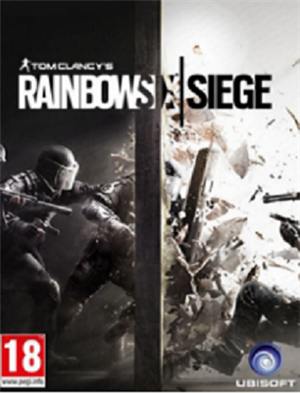
Rainbow Six Siege
-
UnknownUnknown
- Platform(s): PC, PlayStation 4, Xbox One
- Genre(s): Action, First Person, Shooter