You can trust VideoGamer. Our team of gaming experts spend hours testing and reviewing the latest games, to ensure you're reading the most comprehensive guide possible. Rest assured, all imagery and advice is unique and original. Check out how we test and review games here
The Game Awards might be the event of the season, but the jury and organizers have made plenty of questionable conclusions over the previous years. Many of these misfires come courtesy of structural issues baked into the Game Awards as a process. Join VideoGamer as we unpick what these issues are and how the Game Awards might solve them.
This year, story-driven indie darling Dispatch has been thoroughly snubbed due to its relatively late release. The Game Awards has shown itself to be less than consistent when it comes to finding the pulse of the industry, a trend that the ceremony has exhibited since its inception.
- The Game Awards tries its best to highlight the best games of the year, but will often fall short of properly celebrating the industry.
- Independent games seem to constantly struggle to get the right attention, but sometimes it’s not clear that the Game Awards have snubbed one until later.
- Comparing the Game Awards nominees against each other can be hard with such a limited genre vocabulary.
- Larger companies and games will always get more of a look than smaller titles at the Game Awards.
- The gulf between the jury and players’ votes at the Game Awards showcases how subjective the act of assessing a game can be.
Impact assessment
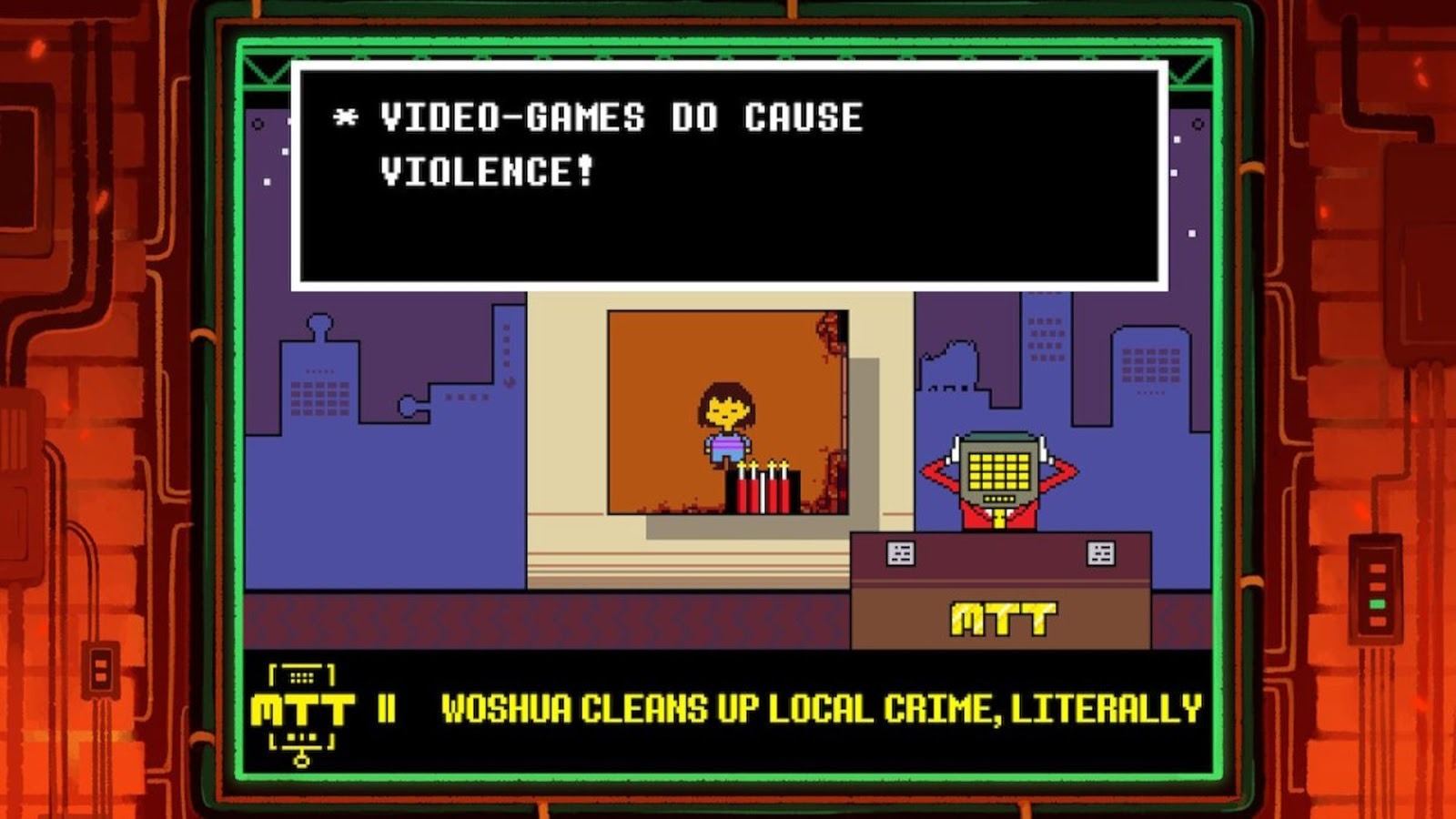
Rocket League is a fine game, but anyone looking back would be flabbergasted that it beat out Undertale, Her Story, and Ori and the Blind Forest for Best Independent Game in 2015.
Undertale is the biggest snub here. It’s a cultural phenomenon and rightly considered one of the best RPGs of all time. However, indie games often need time to find their audience, leading Undertale to not only lose out on Best Independent Game, but also numerous other obvious nominations.
The Game Awards didn’t even nominate Undertale for Best Score, despite its now-legendary soundtrack courtesy of the prolific Toby Fox. Meanwhile, Halo 5 Guardians got the pick, with its impressive but hardly timeless sound. Similarly, Until Dawn beat Undertale out for a nomination for Best Narrative.
While genre-defining mystery RPG Disco Elysium ran away with four awards in 2019, including Best Narrative and Best Independent Game, there was reluctance to give it a shot at Game of the Year. It might not have won against pulse-pounding soulslike Sekiro Shadows Die Twice, but it definitely deserved a chance over competent yet far-from-transcendent sci-fi adventure The Outer Worlds.
It’s unclear if this is because Disco Elysium needed more time to get into the jury’s heads. However, there is a trend of independent games struggling to reach that coveted Game of the Year nomination spot.
Apples and oranges
The bewildering breadth of different genres across video games makes direct comparisons between titles competing for the coveted Game of the Year title particularly challenging.
In 2017, for example, The Legend of Zelda Breath of the Wild will take Game of the Year. However, these comparisons raise a difficult question as to how you might meaningfully compare its creative action-adventure stylings to other nominees like psychodrama RPG Persona 5 or the progenitor of the battle royale, PlayerUnknown’s Battlegrounds (PUBG).
These are games that were all made for entirely different audiences. Neir Automata was beaten out for a nomination for Game of the Year, instead losing out to Super Mario Odyssey and PUBG.
Neir Automata offers an enduring and revelatory experience, but, despite having more to say about the human condition than Super Mario Odyssey, it still lost out.
This suggests that, to the Game Awards, an existential sci-fi drama is less intrinsically valuable than a peppy platforming adventure. Perhaps that’s true financially, but who are the Game Awards to make any such assessment about the titles’ relative artistic value?
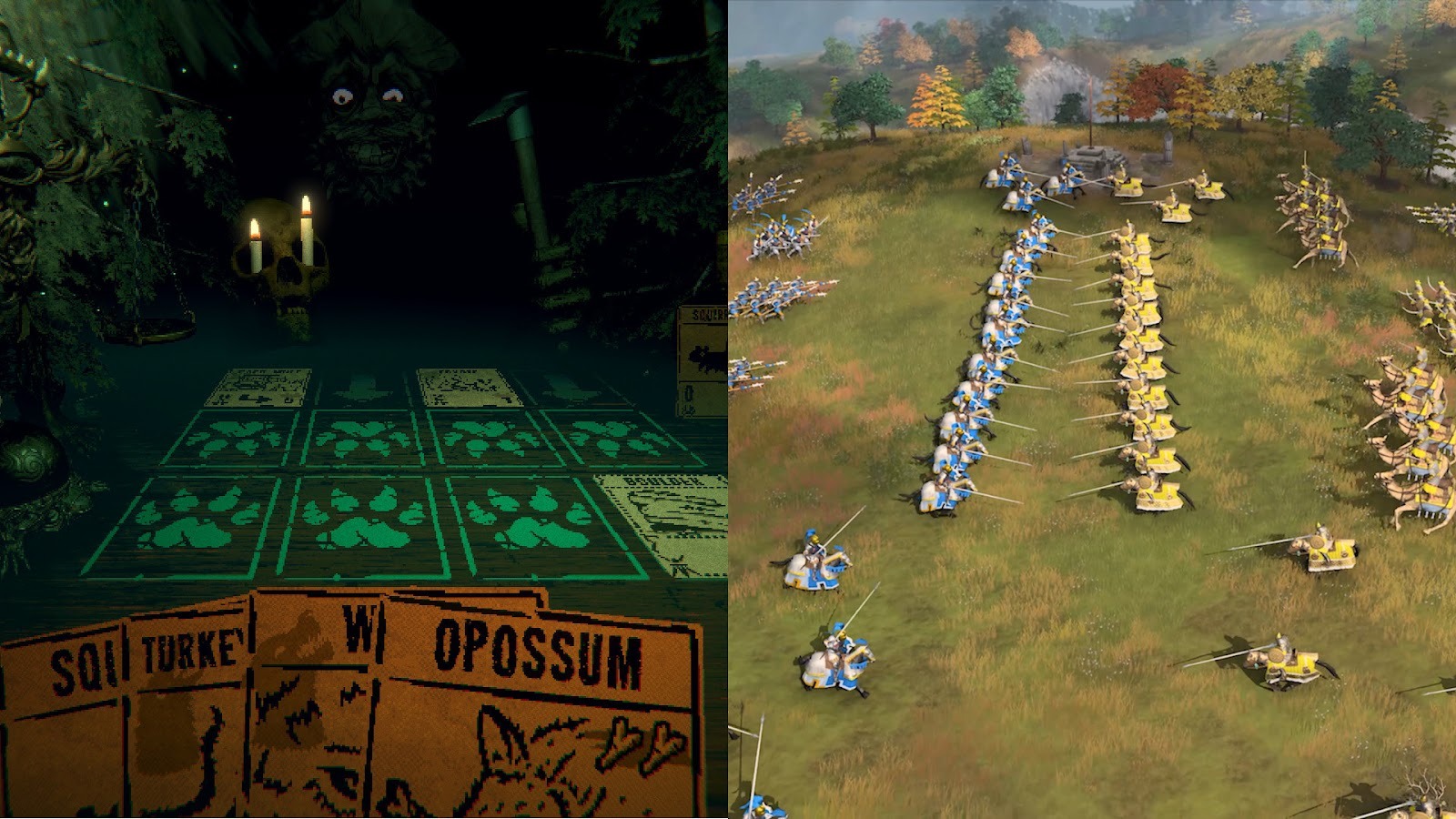
These issues persist even in smaller categories. In 2021, Age of Empires IV won Best Sim/Strategy Game, against Inscryption, Humankind, and Microsoft Flight Simulator. There’s practically nothing linking these four games, yet they’ve been lumped into the same small box together.
Frankly, they still got it wrong by putting a lackluster Age of Empires iteration above a bold, sinister, and enthralling card battler like Inscryption.
Playing with the big boys
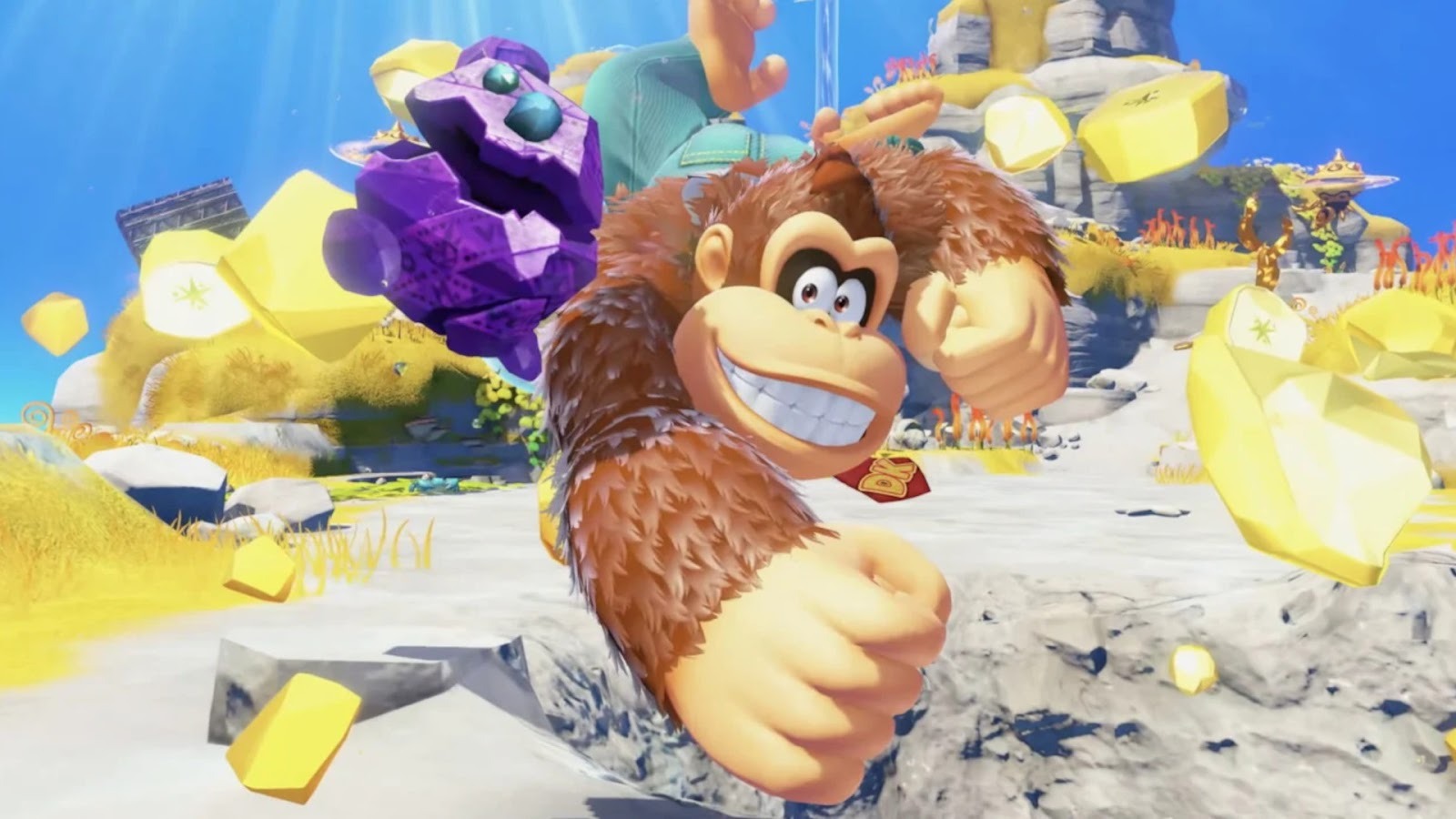
Donkey Kong Bananza might be a great game, but its inclusion in this year’s list of Game of the Year nominees feels bizarre. It’s colorful and pleasant, but it does little to push the medium forward or to impart a distinctive artistic vision to the player.
It shouldn’t have even been nominated over games like Blue Prince or Ghost of Yōtei. While our own Tom Bardwell felt that Ghost of Yōtei’s open world rang hollow, the title had resonant (if somewhat simplistic) things to say about human connection and trauma.
To me, Donkey Kong’s inclusion feels like a tithe that the Game Awards is paying to Nintendo rather than the product of legitimate consideration. While there’s no way to prove this beyond a reasonable doubt, the trend does cast a shadow over the ceremony’s legitimacy.
In 2023, both The Legend of Zelda Tears of the Kingdom and Super Mario Bros Wonder were nominated for Game of the Year, which makes sense if you don’t mind Alan Wake 2 or Hi-Fi Rush getting left to the wayside. Plus, as much as I love Super Smash Bros Ultimate, its nomination for Game of the Year in 2019 over tear-jerking indie powerhouse Outer Wilds seems absurd.
This confusing lean towards certain developers can still be seen in the 2025 nominations. While Death Stranding 2 definitely makes sense for Best Direction, it is a baffling pick for Game of the Year to anyone who doesn’t want to get into Hideo Kojima’s good books. It’s just part of the Game Awards that, if you’re high profile, you’ll be given attention even if you don’t necessarily deserve it.
Vox populi
The Game Awards functions primarily by an expert jury vote, but a small percentage of the weighting is given over to the public. Since 2019, there’s even been a Player’s Voice award, a chance for players to champion their games regardless of critical reception.
The differences between Game of the Year and Player’s Voice highlight not only the stark differences in opinion between critics and players, but they also showcase the difficulty of assessing games in general.
In 2023, critics and players were aligned for Baldur’s Gate 3, but every other time, they’ve come to different conclusions. Sometimes this is just a chance to highlight other nominees, such as in 2024, where the jury went for Astro Bot, and players went for Black Myth Wukong.
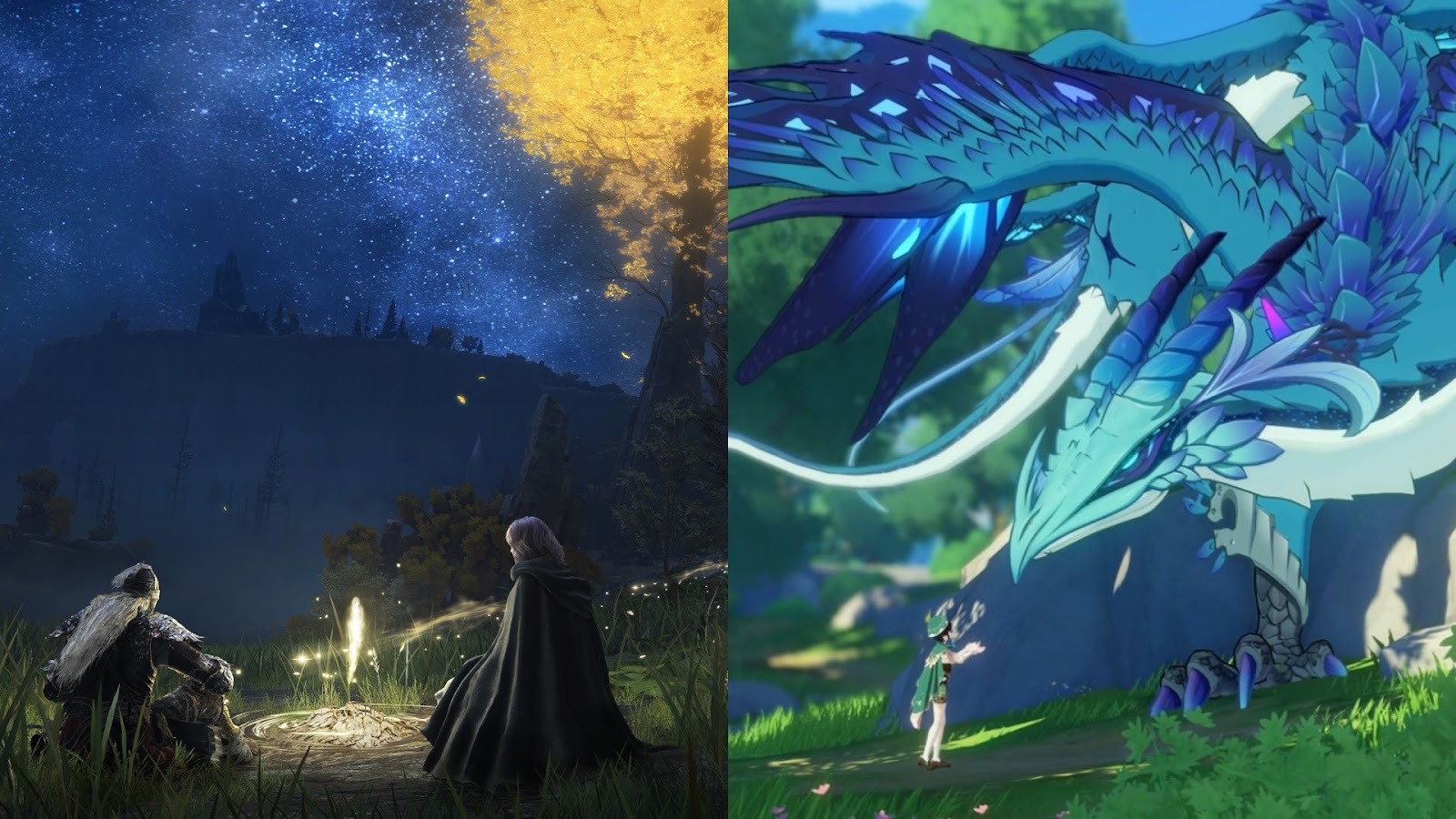
It’s moments like in 2022 when genre-defining action RPG Elden Ring got Game of the Year, and the Player’s Voice went to whimsical gacha adventure Genshin Impact, that we can really see issues arise.
Elden Ring doubtless coheres with Western, Eurocentric conceptions of what a popular, well-respected, and, crucially, prestigious game should look like. Conversely, Genshin Impact, despite its immense popularity, was an unknown quantity, impenetrable to the critical elite.
A democratic vote, however, reflects a broader set of tastes. It’s these tastes that the Game Awards must more earnestly reflect if it wishes to put fans and audiences first and monolithic corporations second.
FAQs
Geoff Keighley is the host and founder of the Game Awards, but before this was famous for being a presenter for video gaming media. He got his start by writing nomination announcements for Cybermania ’94, the first video game awards show on television, allegedly because of his father’s connections.
The Game Awards 2025 is on December 11 at 8pm EST, 5pm PST and 1pm GMT.
The VGX Awards rarely focused on the awards themselves, often refusing to broadcast many of the awards announcements while they happened off-screen. In 2013, the host was also criticised for hurling insults at both the developers and the audience. The show was not renewed, instead making way for the Game Awards in 2014.
In 2012, Geoff Keighley was covering Halo 4 while sitting among advertisements for Mountain Dew and Doritos. Viewers dubbed him the “Dorito Pope” given their negative perception of how commercialised this coverage was.
About the Author