You can trust VideoGamer. Our team of gaming experts spend hours testing and reviewing the latest games, to ensure you're reading the most comprehensive guide possible. Rest assured, all imagery and advice is unique and original. Check out how we test and review games here
Censorship in video games has traditionally taken the form of self-regulation with guidance from institutions like the Entertainment Software Ratings Board (ESRB). Sometimes this comes in restrictions based upon local cultural norms, but it now looks like there’s some far more involved personal censorship on the horizon. PS5 manufacturer Sony has had a new patent published that may change the future of video game censorship as we know it.
Though it was originally filed back in May, Sony’s new patent for “AUTOMATIC BESPOKE EDITS OF VIDEO CONTENT USING AI” was published in December 2025. This patent is for technology to allow Sony to provide real-time edits to any audiovisual content, based upon “user-provided content filtering parameters.”
- Sony has opened up a new era of video game censorship with its patent for a new AI.
- The patent for Sony’s AI works by allowing users to personalise what they want censored with custom real-time edits.
- Worst of all, Sony’s AI wants to apply deepfake technology to replace offending content in video games.
- This comes at a time when countries and corporations are already trying to limit what people can access in video games.
- HORSES is an example where a game was entirely unsellable on Steam and Epic Games, despite not containing much offensive content, and would be a prime target for Sony’s AI.
Sony’s new patent presents real-time censorship
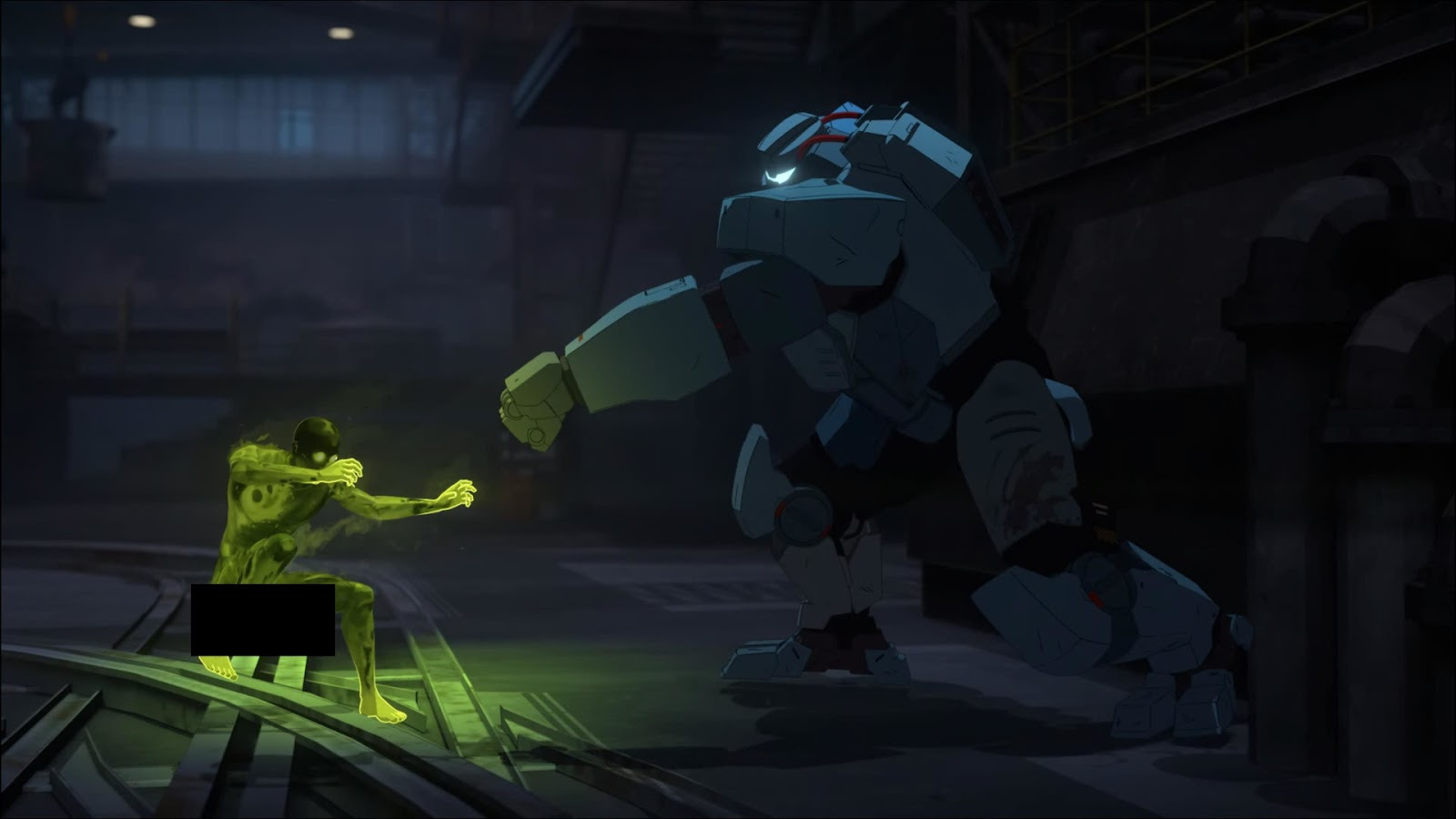
The basic idea is that part of the system, be that a smart TV or a “video game console’s operating system”, can be set to be on the lookout for any offending content and then deal with it in a variety of ways.
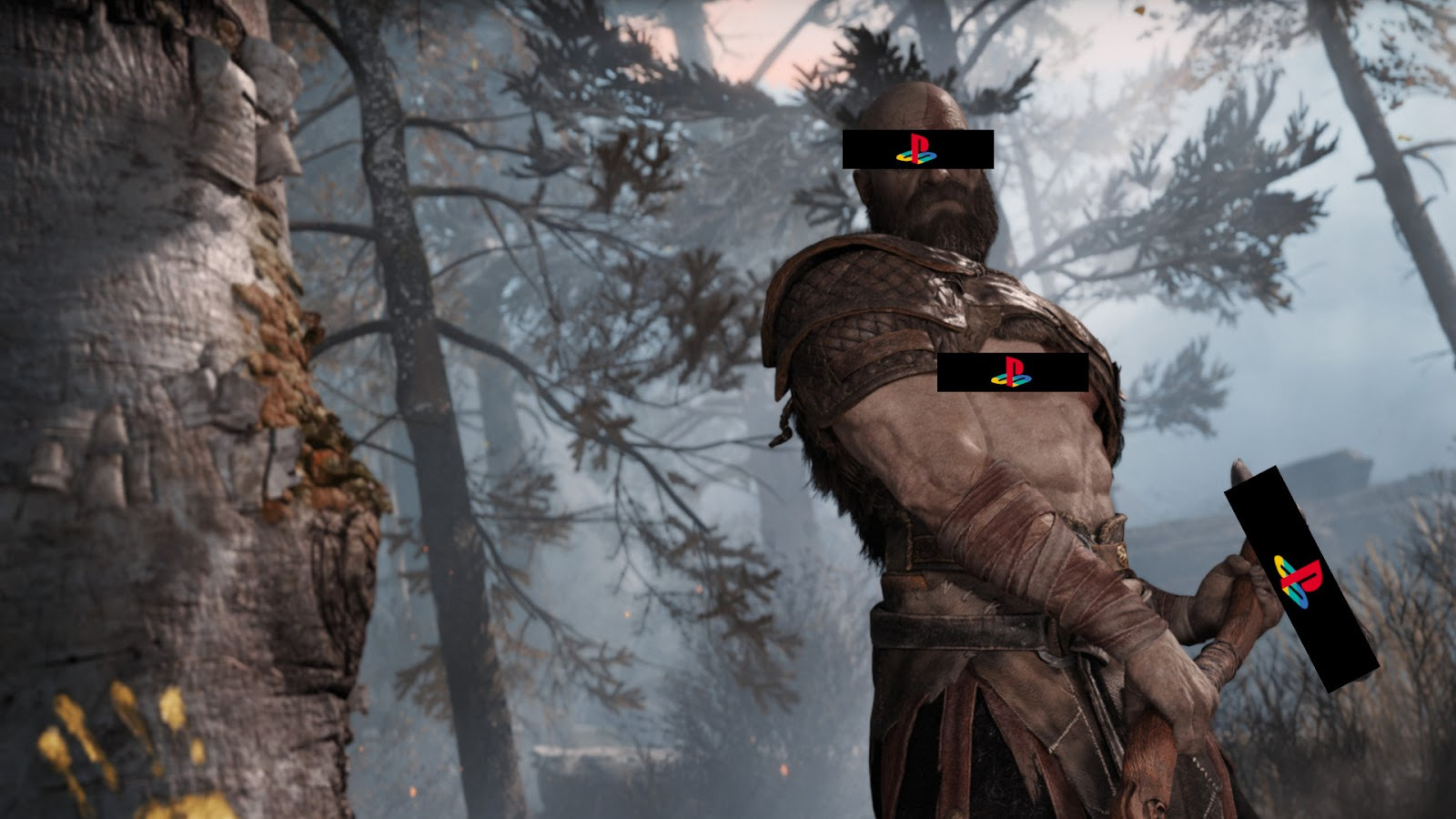
At the moment, the idea is kept intentionally vague, allowing the patent as much breadth as possible for applications. However, the patent includes troublingexamples of cuts such as “skipping or muting any offending parts” or “pixel blurring”, with fully customisable ideas of what should be censored, from nudity to red balloons if the user so wishes.
Its use case is broad but on the surface well intentioned, as it’s to be used “not just by parents of children, but also for general audience users” with the intent of “avoiding things to which they are sensitive”.
The broad criteria of Sony’s AI patent easily allow for a similar trend of censorship, which could spell trouble for vulnerable groups traditionally seen as outside of the norm.
This is especially likely, considering Sony’s patent itself acknowledges “what a society may consider sensitive in nature or even taboo might change over time”, and places itself at the forefront to allow any user’s particular preferences to outshine the work itself.
This technology is at odds with art and humanity
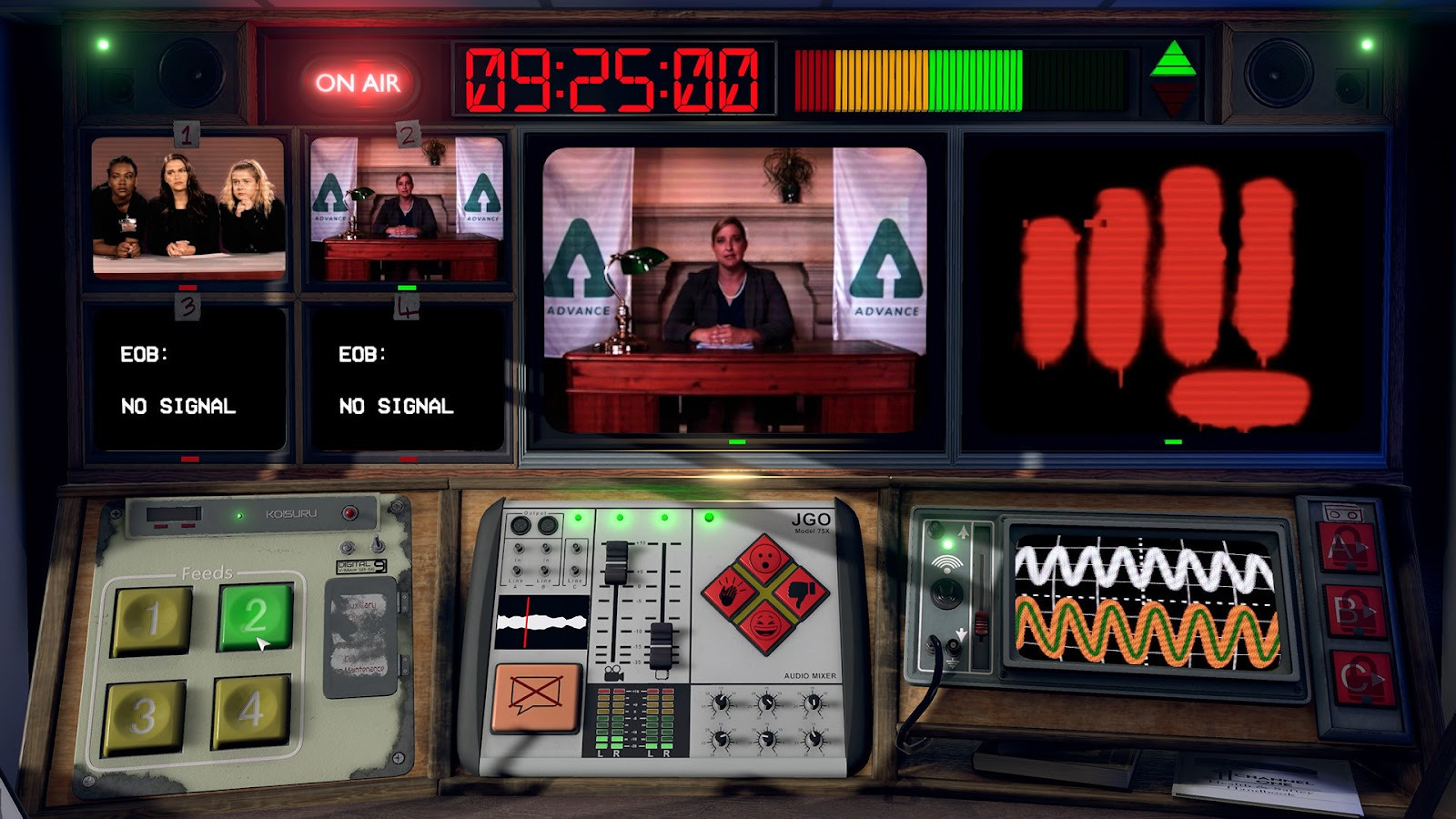
However, perhaps the biggest concern here comes from the use of “deepfake technology to replace the objectionable content with other content”.
On the fly, Sony’s AI is set to take the content of a game and cover it up wholesale, using AI to generate and replace the content with something more in line with users’ expectations.
This is pure destruction of video games as an art form, working without the consent of the game developers to edit their work with AI on a mass scale. This patent does away with authorial intent entirely, reducing everything to personalised entertainment.
The proposal of superimposing AI-generated content over games has other far-reaching and horrifying implications. Beyond just blurring out spiders for arachnophobes, the AI risks reinforcing whole abhorrent bubbles of thought without any need to work for it.
Baldur’s Gate 3 is already plagued with mods that turn the black companion Wyll white or turn Dame Aylin into a male character to destroy a canonically lesbian relationship. Gifting users the ability to censor and adapt games any way they like only gives more power to those who wish to reinforce regressive views, whether the game developers like it or not.
Moral policing could lead us to dark places
Sony’s AI patent is currently framed around user-based requests, but this could easily extend to assist in the censorship that is already being enforced by both major corporations and governments.
Last year, Mastercard and Visa, responding to a right-wing Australian lobbying group, more or less forced the hands of gaming platforms Itch.io and Steam to change their policies surrounding NSFW games.
Mastercard denies pressuring Steam, but Valve made clear that their overhauls to NSFW content were driven by payment processor pressures. In the short term, this led to the purging of huge numbers of games, leaving them unpurchasable globally because of an anti-pornographic stance from a fringe group in Australia.
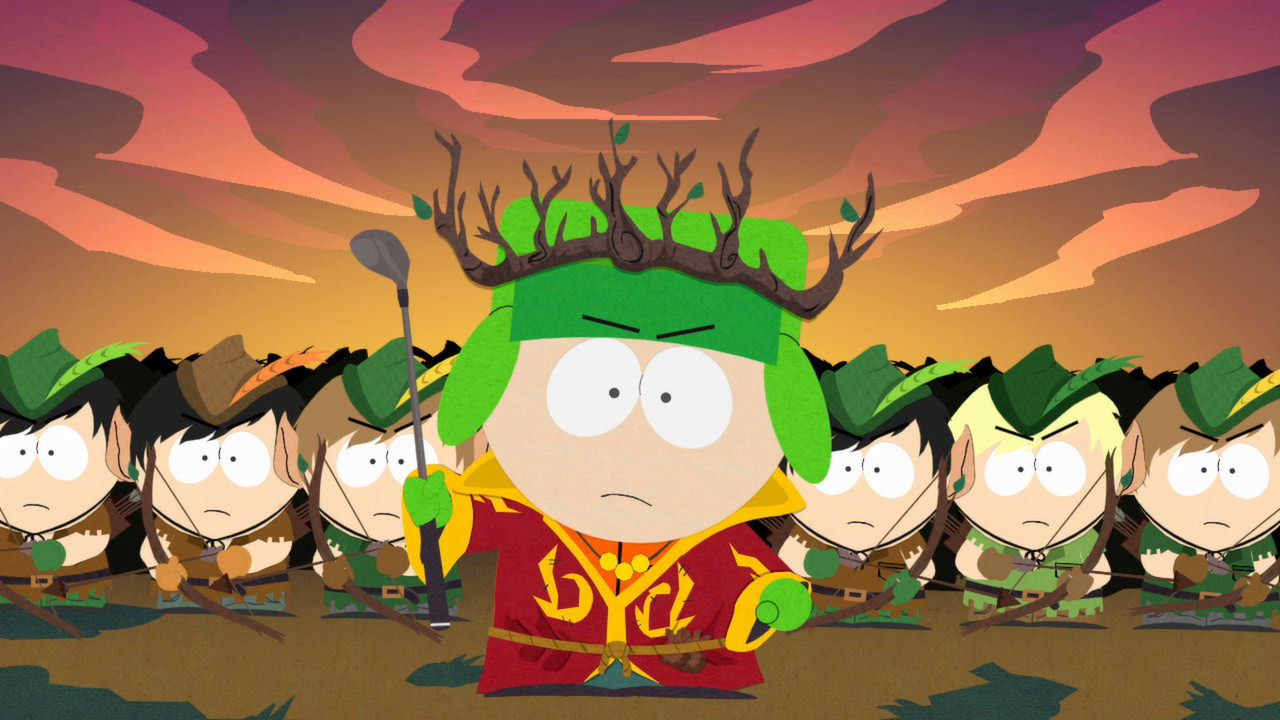
Over a decade ago, South Park The Stick of Truth had to cut out whole sequences from its Australian and European releases due to restrictions placed on it, leaving them with placeholders instead.
The content is objectionable, shocking humor, but it showcases the regional restrictions even for games marketed to adults.
Many countries, such as Japan, further require violence and nudity to be altered or removed before games are published.
Sony’s new AI censorship technology could easily push any of these restrictions further, subject to the whims of any sufficiently powerful corporation or local government, where ‘moral panic’ rhetoric can justify anything.
There are already plenty of restrictions

Sony’s AI patent looms in a gaming industry that is already struggling to get more esoteric and less mainstream work out there. The horror game HORSES, made by developer Santa Ragione, was already blocked by Steam back when it was first put forward in 2023, but 24 hours before release, according to the developer, Epic Games also pulled publishing.
While HORSES is clearly made to be challenging, with a long list of content warnings attached, it also isn’t really all that shocking and is considerably less grotesque than other horror games.
However, its use of uncomfortable nudity and sexual undertones appears to have been too much for larger platforms, thus relegating its sale to smaller platforms and generally limiting the game’s reach.
It’s an example of how the market threatens to cut off game developers that are not meeting the industry standard. Games like HORSES are cut off from major gaming platforms for being too uncomfortable.
If Sony’s AI manages to break containment, more challenging game pieces like HORSES or Drink Human Beans might never be able to be released without some form of AI adjustment, and the state of the industry would be worse for it. Video games shouldn’t just be made up of entertainment with the edges sanded off, and control over art shouldn’t start at home.
FAQs
Video game censorship is the restriction or editing of a video game due to objectionable materials. This can come in many forms, such as forcing the removal of content, restricting the visibility on storefronts, or fully banning the ability to purchase the game.
Yes, the UK’s Online Safety Act applies to video games and has led to restrictions on many adult video games across different platforms. This is primarily focused on protecting children from nudity and sex, and does not affect games filled with violence or otherwise criminal activity.
Sony has published a patent where it intends to use AI to automatically censor audiovisual content. It is also working on AI-assisted ‘ghost players’ to assist with tutorialising in games.
About the Author