You can trust VideoGamer. Our team of gaming experts spend hours testing and reviewing the latest games, to ensure you're reading the most comprehensive guide possible. Rest assured, all imagery and advice is unique and original. Check out how we test and review games here
Call of Duty Black Ops 7’s story is many things. It’s about wartime trauma, family legacy, how you can’t trust AI, and how private companies see money as more important than lives. It’s also about leading a zombie rebellion to escape a mind prison and fighting skyscraper-sized hallucinations of your former enemies.
Things have started to get quite silly. Somewhere along the way, Call of Duty took on the qualities of an action film, getting ever more interested in dramatic setpieces over grounded and gritty stories. From there, an overblown sense of melodrama has continued to balloon as the franchise wrestles with its own identity.
- Call of Duty Black Ops 7 showcases yet another shift towards the ridiculous for Call of Duty as a series.
- We’re now a far cry from the more serious attempts to tell a story like Call of Duty 4 Modern Warfare or Call of Duty World at War.
- Call of Duty Modern Warfare 2 was a major crossroads for the series, quickly swinging to more elaborate action setpieces.
- The Call of Duty Black Ops series has swung back and forth from silly to serious, but always comes out overblown.
- Call of Duty is a game series designed to make money, and the quality of the campaign matters less than the battle pass they can sell you.
Modern Warfare and World at War established a tone
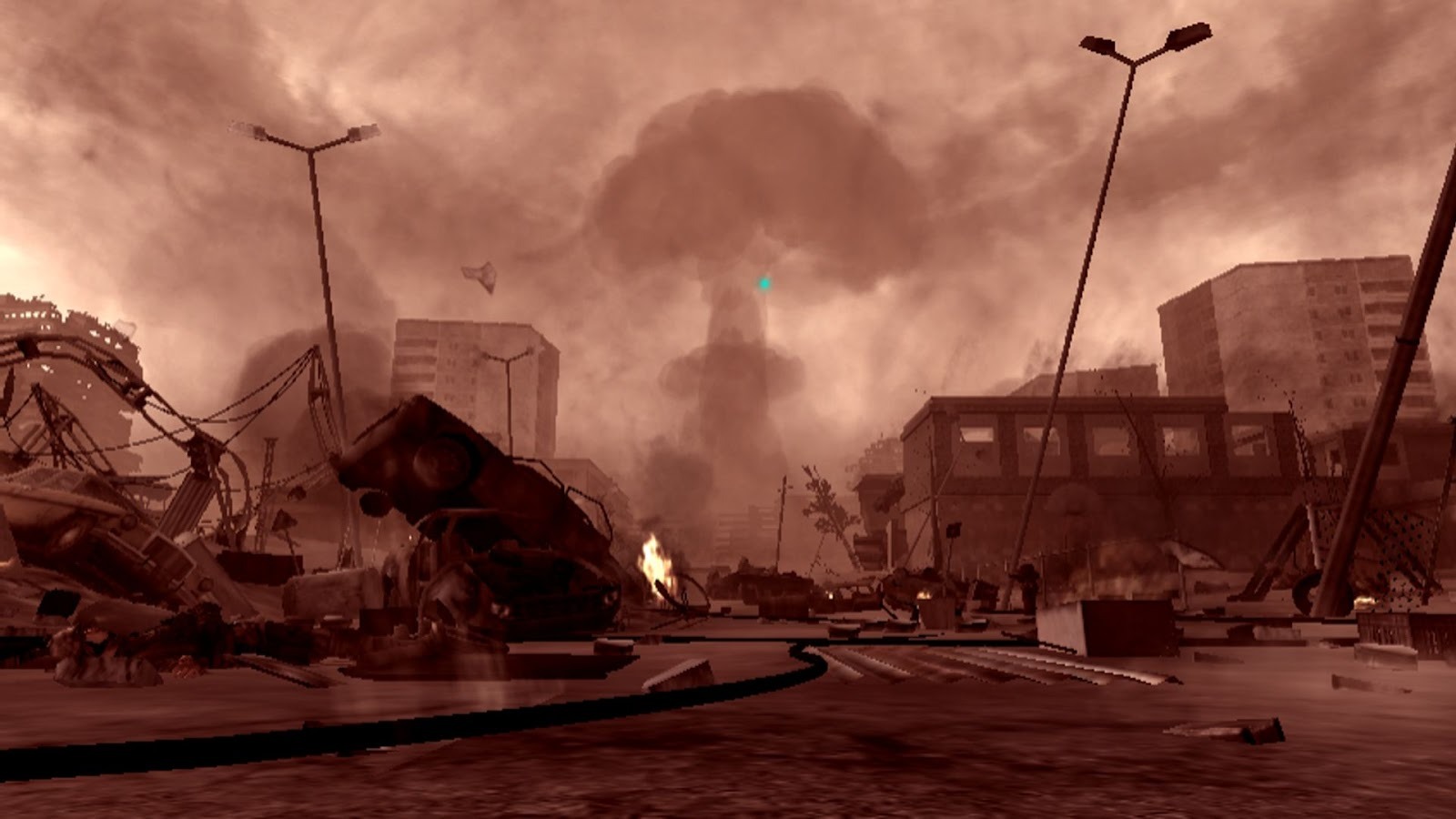
As the War on Terror rolled out in the noughties and 2010s, the US became obsessed with World War II. It was the last conflict the country has been involved with that was not only an unequivocal success but also where it was seen as the ‘good guys’ by most standards. In WWII, they were the Big Damn Heroes, and while the first three Call of Duty games weren’t always from a US perspective, they fed into that obsession with the ‘just’ war.
Call of Duty 4 Modern Warfare was a revolutionary foray into a different kind of conflict, taking an interest in the moral vagueness of war and the disposability of soldiers. Your US soldier protagonist gets caught in the centre of a nuclear explosion, and his SAS counterparts are less than heroic in their efforts to complete their missions. It is messy and unforgettable, a ponderous reflection on the cost of war.
Call of Duty World at War took that theme and brought it back to the familiar WWII setting. You start as a US Soldier in the Pacific theatre, awaiting execution. After you’re freed, every fight is one nightmare after another. In the Eastern Front, as a Soviet soldier, you’re not better off in your push for Berlin, losing as much as you gain in every push. It never falls into full despair, but focuses on the horrors of war rather than the heroics. It feels gritty and grounded.
Modern Warfare 2 pushed too far
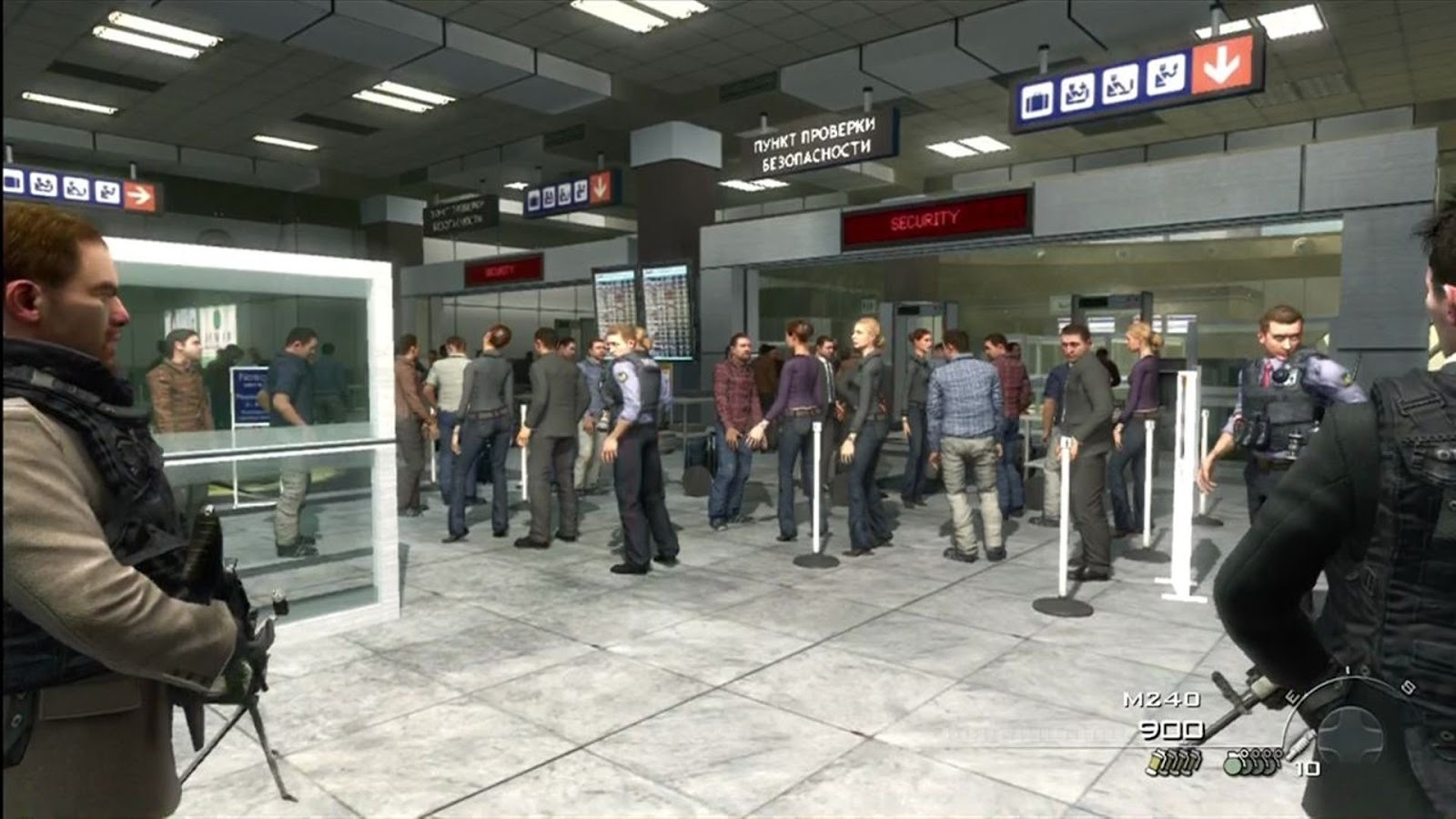
Call of Duty Modern Warfare 2 was where the future of the franchise was decided, and it did so in the messiest way possible. Rather than continuing with the more serious approach, we are almost immediately entered into a ludicrous scenario with a full-scale invasion of the US by Russia, on the East Coast of all places.
Modern Warfare 2 sends players all over the world, having you fight through the streets of Rio before defending Washington DC. At one point, you take control of a nuclear submarine, detonating a nuke in the atmosphere above DC to disable Russian electronics to give the defenders an edge. As a side effect, you also destroy the International Space Station, but such are the wages of sin.
This all launched from the ‘No Russian’ mission, where the player becomes part of a false-flag civilian massacre to set off the plot. It puts the player in a very uncomfortable position, and hints at a serious, if over-egged, story, before everything descends into Red Dawn ridiculousness.
It was far too much for the series, tarring Call of Duty with a brush of controversy and ludicrousness. While Call of Duty would still pick up the morally gray dealings, it would focus far more on sustaining this bombastic atmosphere for the remainder of Modern Warfare 2.
The ups and downs of Black Ops
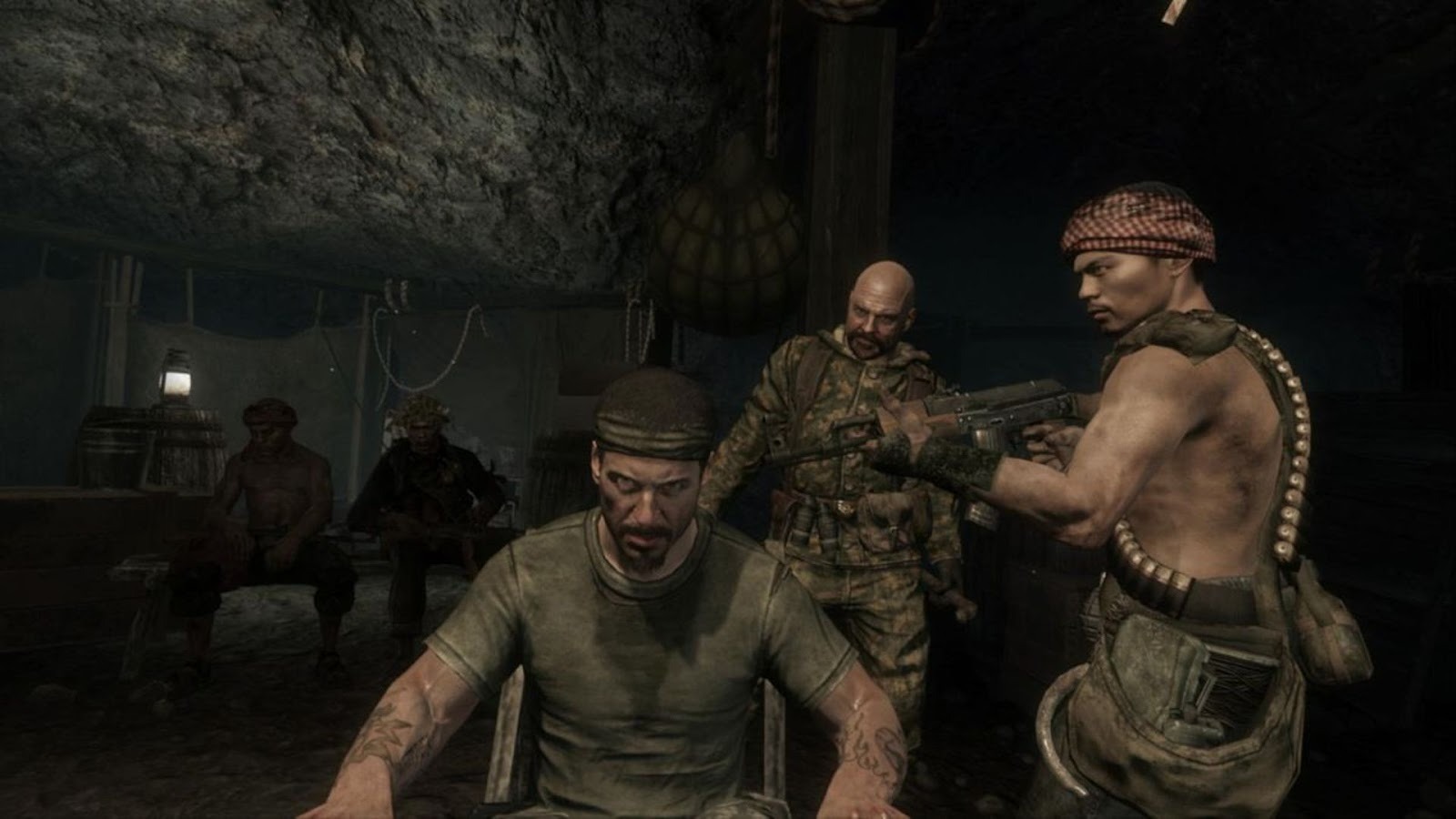
All the way through to Call of Duty Black Ops 7, the series has struggled with tone. The first Black Ops used an oppressive interrogation room as a framing device, but still had you running around as human ammo-can David Mason in classic action setpieces involving most major world events of the 1960s.
His son would then be given frontrunner of Black Ops 2, facing off against a villain seizing control of every drone in the US, which is basically the plot of the eighth Fast and the Furious movie.
Next up was Black Ops Cold War, which tried to take things more seriously with a spy thriller story. However, we were soon back to messy with Black Ops 3, which struggled to handle all of its sci-fi edges.
The Black Ops series is thematically untethered, and whenever it tries to make strong connections between different titles in the series, it flounders. Call of Duty Black Ops 7 attempts to tie things together, but heavy, delicate concepts such as torture and PTSD are thrown around painfully casually, with no weight or structure.
Black Ops often gives the impression of wanting to be something like thought-provoking action thriller Spec Ops The Line, but misunderstands that Spec Ops was just wearing a modern military shooter skin to get across its serious message regarding institutional violence. It is hard to have fun shooter gameplay without glorifying the act of killing, and Call of Duty has no idea how to manage such a serious topic.
Call of Duty is stuck in an identity crisis
The modern Call of Duty franchise is a confused mess of tone and meaning because it is not just a series of war stories. Call of Duty is a multiplayer shooter franchise that wants to sell to an audience willing to buy battle passes. The strength of the story doesn’t mean as much to Activision as its profitability.
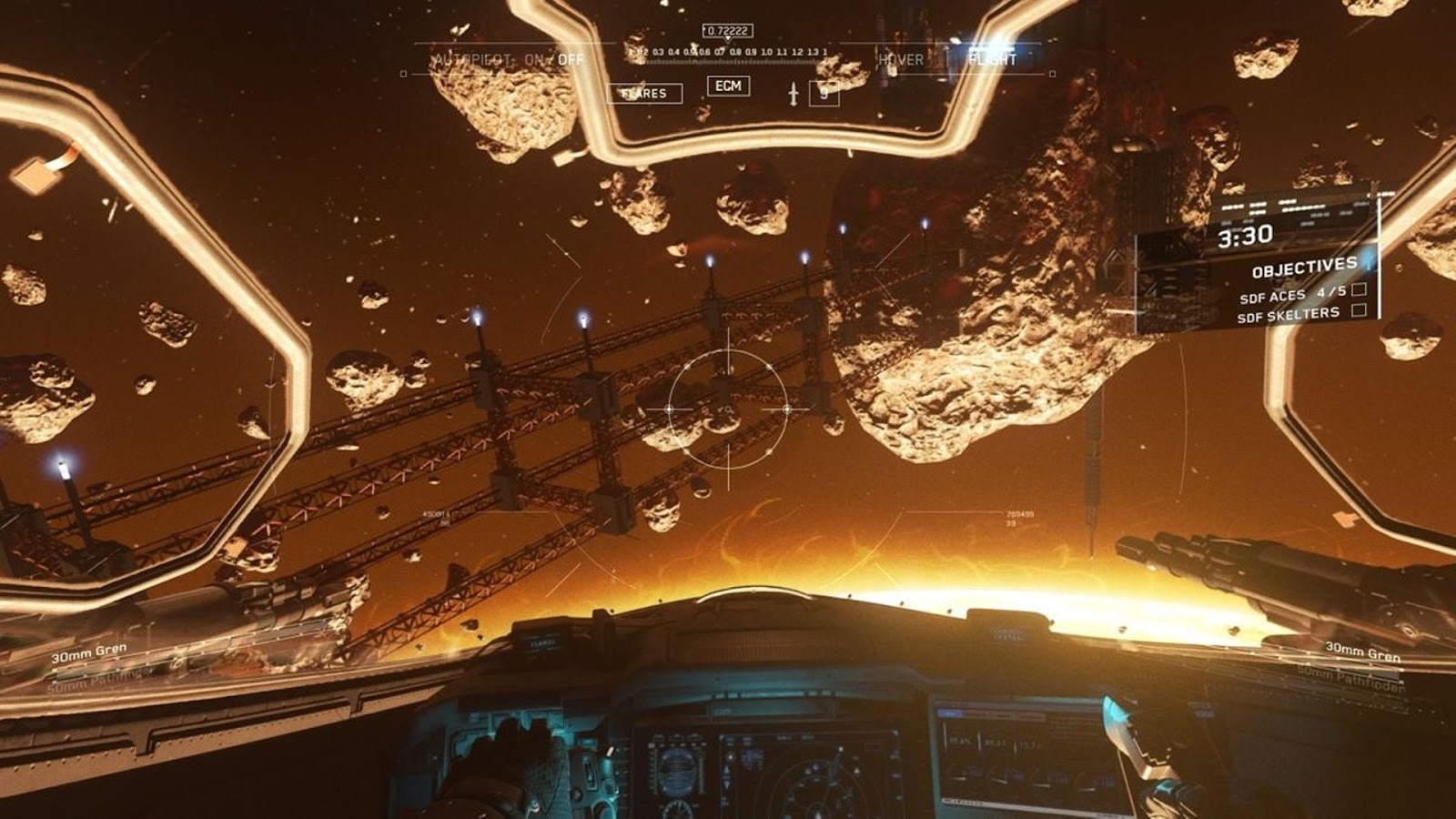
Call of Duty Infinite Warfare was initially dismissed because it seemed to be a departure from what little cohesiveness Call of Duty had left. However, despite this initial assumption on the part of many fans and critics, this futuristic action offering might have been exactly what Call of Duty needed.
The title offered a war story steeped in hard sci-fi that could tell a story of a fight against a totalitarian government, and without the real-world attachments that steer Call of Duty towards jingoism. Infinite Warfare seemed more daring and playful than its predecessors, willing to tell a story on its own terms.
The title fared poorly when it came to sales, though. Thus, the subfranchise was abandoned.
Call of Duty Warzone 2.0 and the Zombies series are emblematic of Call of Duty’s struggles. Both demonstrate a desire from developers to have their cake and eat it, aiming to capture grounded war-torn seriousness and arcadey head-clicking in the same breath.
This uneasy and, perhaps, irreconcilable tension leaked into Black Ops 7’s story and tore apart any chance for it to take its time or think about the impact of its characters. Perhaps Call of Duty can walk this difficult line between multiplayer marketability and military grit, but it has yet to manage such a feat so far.
FAQs
Call of Duty games have a variety of storylines, but they usually boil down to stopping someone from killing a lot of people by killing them first.
The first Call of Duty was created to compete with the ongoing Medal of Honor franchise, with the intent of following a cinematic pace without creating a story where you are a ‘super soldier’.
While many of the Call of Duty games will find inspiration from real-world events and conflicts, they are not based on any specific real-world stories.
No, the Call of Duty games are divided into different sub-franchises, such as the Modern Warfare and Black Ops series. These games will often be connected in story, but are sometimes just connected by theme.
About the Author