Dear Esther Review
- 1
- 2
Your left mouse button is useless. It's not needed, and neither is your right. Dear Esther doesn't require you to interact with these inputs. It merely asks you to walk, to explore, and, most importantly, to listen.
Whether or not you want to play Dear Esther shouldn't be up to whether it is fun to play (it isn't), whether it's got some great mechanics (it doesn't), or whether the difficulty spike is unfair and frustrating (it's not; there isn't one).
Dear Esther depends entirely on two things from its players: an open mind about what exactly constitutes a game (and whether that is something you'll get hung up on) and an appreciation of its bleak, ambiguous narrative that requires you to decide its meaning rather than be spoon-fed it.
In its formative stages as a Half-Life 2 mod, Dear Esther called itself a ghost story. It's not. The desolate island it has you explore is certainly creepy, in the same way that anything abandoned plays with your fears. This world has its own history, and not explicitly knowing its background is enough to thrill. There are light touches, and unanswered questions, that feed into this lack of knowledge, which in turn heightens our fears, but it's not a ghost story in a traditional sense.
Well, maybe it is. My Dear Esther isn't a ghost story. Maybe yours is.
You walk, and randomly selected chunks of narration ambush you when you trip invisible, intangible tripwires. Whereas something like The Path actively encouraged you to deviate from the path, and find its obtuse dioramas, Dear Esther doesn't give you that option. Everywhere is the path, and everywhere leads where you need to go. There's only really one direction to travel, even when it seems like there's more.
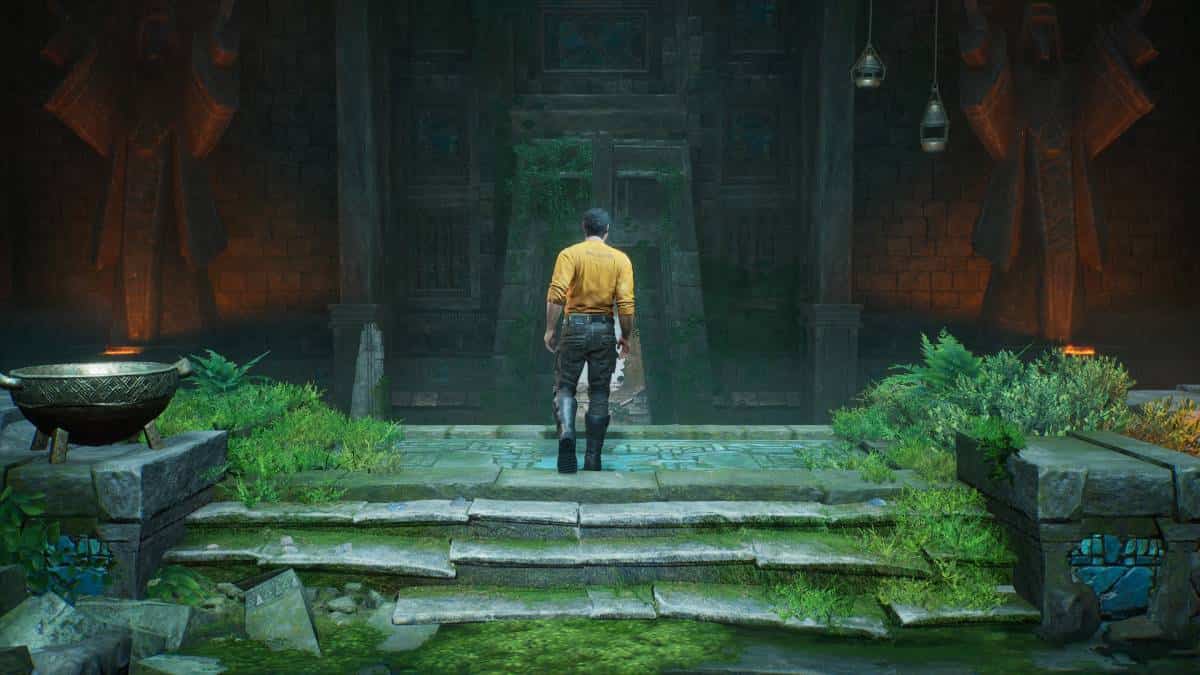
I'm dancing around talking about the game; it's not easy to write about, because if you go into any depth you've ruined the thing. Delve into the story before experiencing it and your perception will be coloured, and how you perceive it is half the fun. Discovery is such an important part of Dear Esther, especially when everything is so phenomenally pretty.
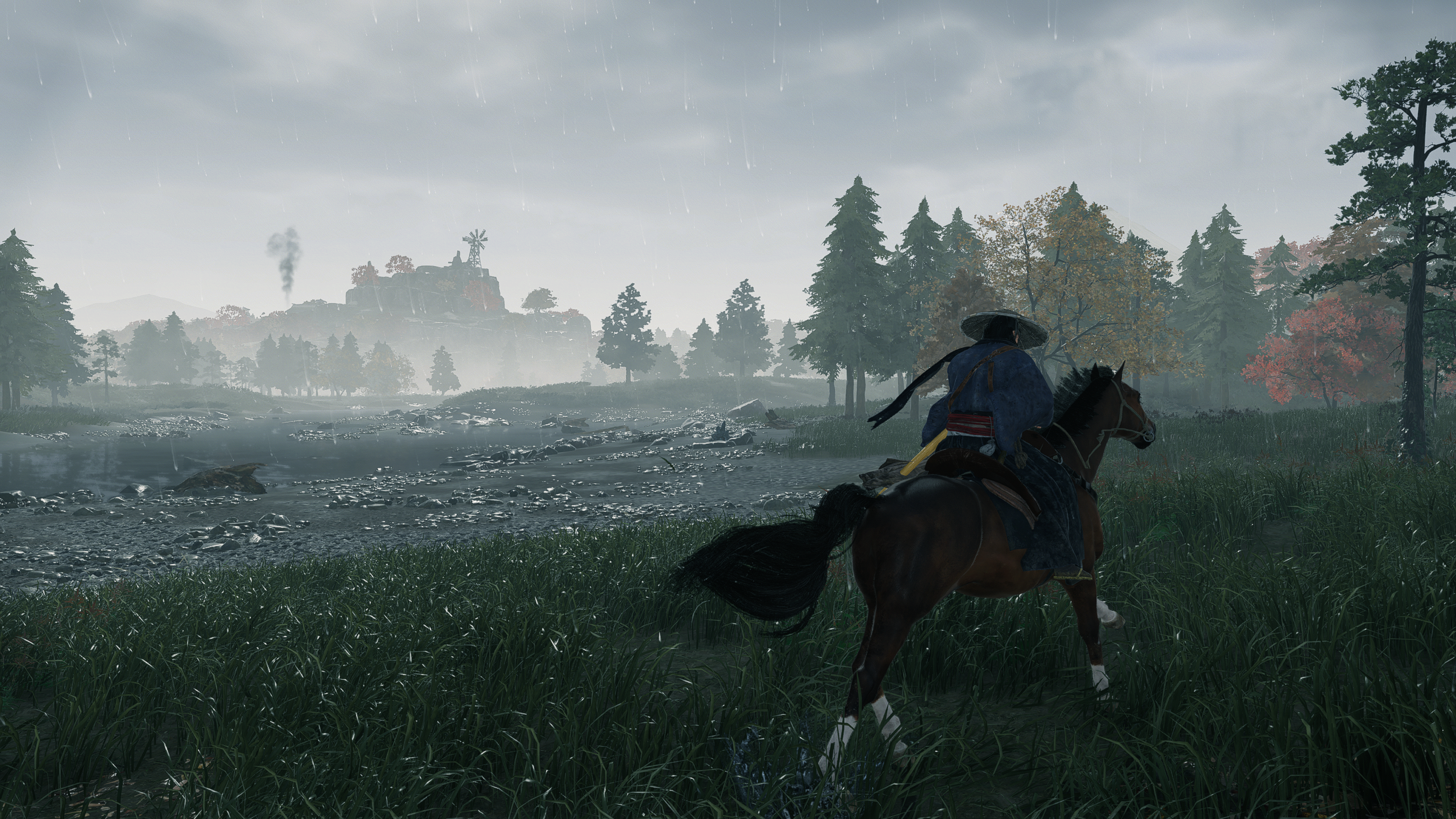
What The Chinese Room has done with the Source engine is a miracle that even manages to put Valve to shame. Comparing the original mod to its current incarnation, Dear Esther is now breathtaking to observe, morose and bleak but absolutely breathtaking. It manages to capture that feeling you have when you're forced to go for a walk with your family after Christmas lunch and you realise that, well, nature is pretty bloody beautiful. It's cold, and there aren't many leaves around, but gosh it's pretty. It feels like a revelation.
Dear Esther is that same revelation, slipped innocuously into a videogame.


User Comments
Endless
It's potluck so far, at least citizen kane sets the scene!
godatplay
Yeah I think that pretty much sums it up. The point is HOW the game executes on that simple-sounding idea. From the sound of the reviews pouring in, it must do that in a pretty compelling way.
For a little perspective, here's the IMDB tagline for Citizen Kane:
"Following the death of a publishing tycoon, news reporters scramble to discover the meaning of his final utterance."
Doesn't sound like much to me. And yet because of HOW that story is told, the film is considered to have defined modern movies, much to the chagrin of those who pined for the days of films based on the thinking of theatre.
Endless
The only way this game/thing would even get in my door is if it is totally free, and even then only if someone put it on my computer for me. Based on what I see here there is very little to go on. It's a story you make up yourself based on bits of information fired at you as you wander round aimlessly. That's about all I got from it.
9/10? I'd give it 3/10 for the review itself but as far the title itself. I have no idea.