Avatar is a rare breed: a decent movie licensed game
Avatar is a rare breed: a decent movie licensed gameAvatar is a rare breed: a decent movie licensed game

Avatar is everywhere at the moment. It's surely one of the most hyped movies of the decade, so we shouldn't be surprised that there's a tie-in video game. Ubisoft has been working closely with director James Cameron and Lightstorm Entertainment; we've been gradually made to believe that this is more than just another cash-in, that this is a game that can stand on its own as a quality product. Were we duped by the director's appearance at E3, some fancy visuals and cutting edge 3D technology, or has Ubisoft created a game to live up to the film's hype?

From the outset Avatar appears to be a fairly by-the-numbers third-person shooter. The game opens with your character, Abel Ryder (picked from a number of male and female soldiers who are part of the Resource Development Organisation) going through the basics on Pandora - the home planet of a blue-skinned race called the Na'vi. Before too long you're introduced to the Avatar concept, which essentially transplants the mind of a human into the body of a much larger, stronger human-Na'vi hybrid. Ryder looks slightly odd running around as a tall blue man (or woman) in army gear, but he won't be like that for long.

 Advertisement

After a brief set of mundane missions, which simultaneously teach you about the game's controls and introduce the story (humans want to take over Pandora, but the native Na'vi quite naturally don't want this to happen; therefore a war breaks out on the planet between the rival factions), the game throws up its first major curveball. Ryder, who has until this point been fighting on the side of the RDA, is given a choice: continue the fight against the blue enemy, kicking them off their home planet in the process, or stay as an Avatar and join the Na'vi, fighting against the modern technology of the RDA.

While this might sound like a gimmicky addition, one decided upon by the marketing team to ensure the box has some extra info to hook would-be buyers, it's far from it. What you end up with is two campaigns in one game, neither one crossing over too much with the other. As a member of the Na'vi your tools are fairly primitive, with crossbows, blades, bows and sticks forming the bulk of your arsenal - although there's one weapon slot for a modern RDA weapon, too. Combat here is a mixture of ranged bow attacks (which comes with a handy lock-on targeting system) and up close and personal melee blows, either from a powerful wooden staff or a set of blades.

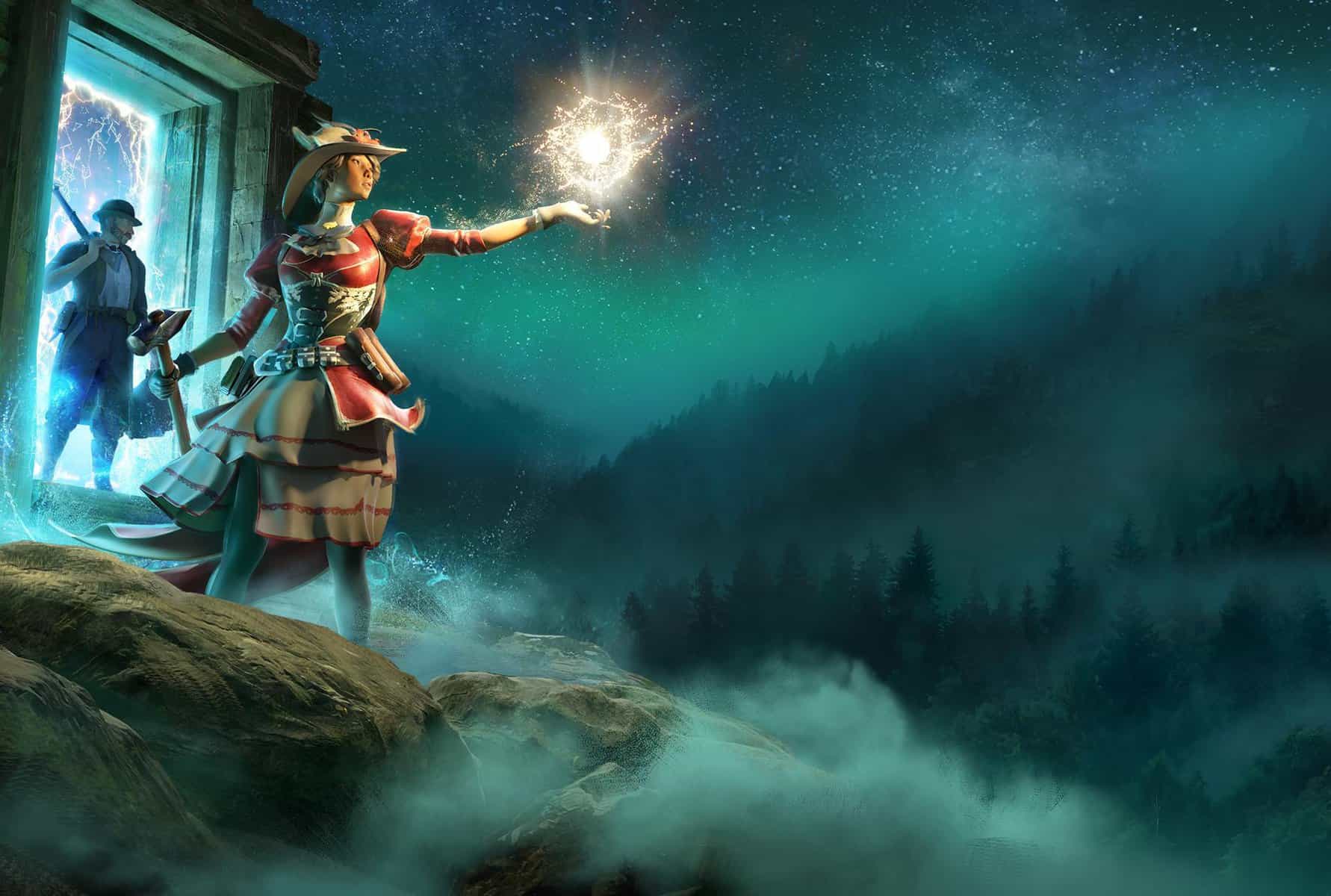
Some of the scenery is spectacularSome of the scenery is spectacular

While the aiming is somewhat twitchy, in part due to the complete lack of a precision aim mode and a less-than-smooth frame rate in the console versions, Na'vi combat is generally a great deal of fun. After combining the basics with special skills (which let you do things such as turn invisible, move faster, repel enemies with a ground pound move), the initial sense of indifference I felt towards the game was soon replaced with enjoyment. It's nothing ground-breaking, but it's good, simple fun.

RDA soldiers don't have to make do with the basic weapons of their Na'vi adversaries, with a loadout of guns, guns and more guns being all that's on the menu. Without any melee combat and a real lack of weapon variety (save for the cool flame thrower), the RDA campaign ends up feeling like the more basic of the two included on the disc. Ryder in soldier form still gets to use special skills, but the diversity in combat just isn't as good. Yet in terms of game structure and set pieces, the RDA campaign often comes out on top, making for a somewhat mixed experience overall.

The Na'vi are fighting against the RDA, so naturally as a blue-skin the main enemies you'll come across are solders, solders in mechs, soldiers in attack ships, and more soldiers. Giant flying attack ships and Mech Assault-style walkers are pretty cool, but soon get samey. On the flip side, the RDA frequently has to fight against massive native creatures, the kind that wouldn't look out of place in Lost Planet or in a genetically malfunctioning Jurassic Park. The fights against the massive beasts are some of the game's biggest stand-out moments, yet they occur during the campaign that features the less enjoyable combat mechanics.