[ 1 | 2 | 3 | Next Page » ]

Ed Del Castillo, president of US-based developer Liquid Entertainment, of Battle Realms, Lord of the Rings: War of the Ring and Desperate Housewives(?!) fame, can talk. Ask an innocent question, like what his issues with current RPGs are, and be prepared for a verbal bombardment. Sometimes during my interview with him, to promote his new game Rise of the Argonauts, due out on Xbox 360, PS3 and PC this autumn, I wonder if his body has somehow lost the need to draw breath. And then he stops, after about 20 minutes of solid, non-stop opinion, smiles and sucks in a great gulp of the good stuff. I decide that this is not a bad thing. Oh no. In fact it's refreshing. All you have to do is sit back, relax and absorb.
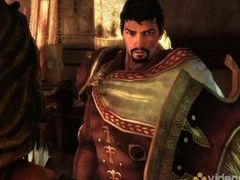
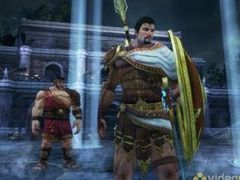
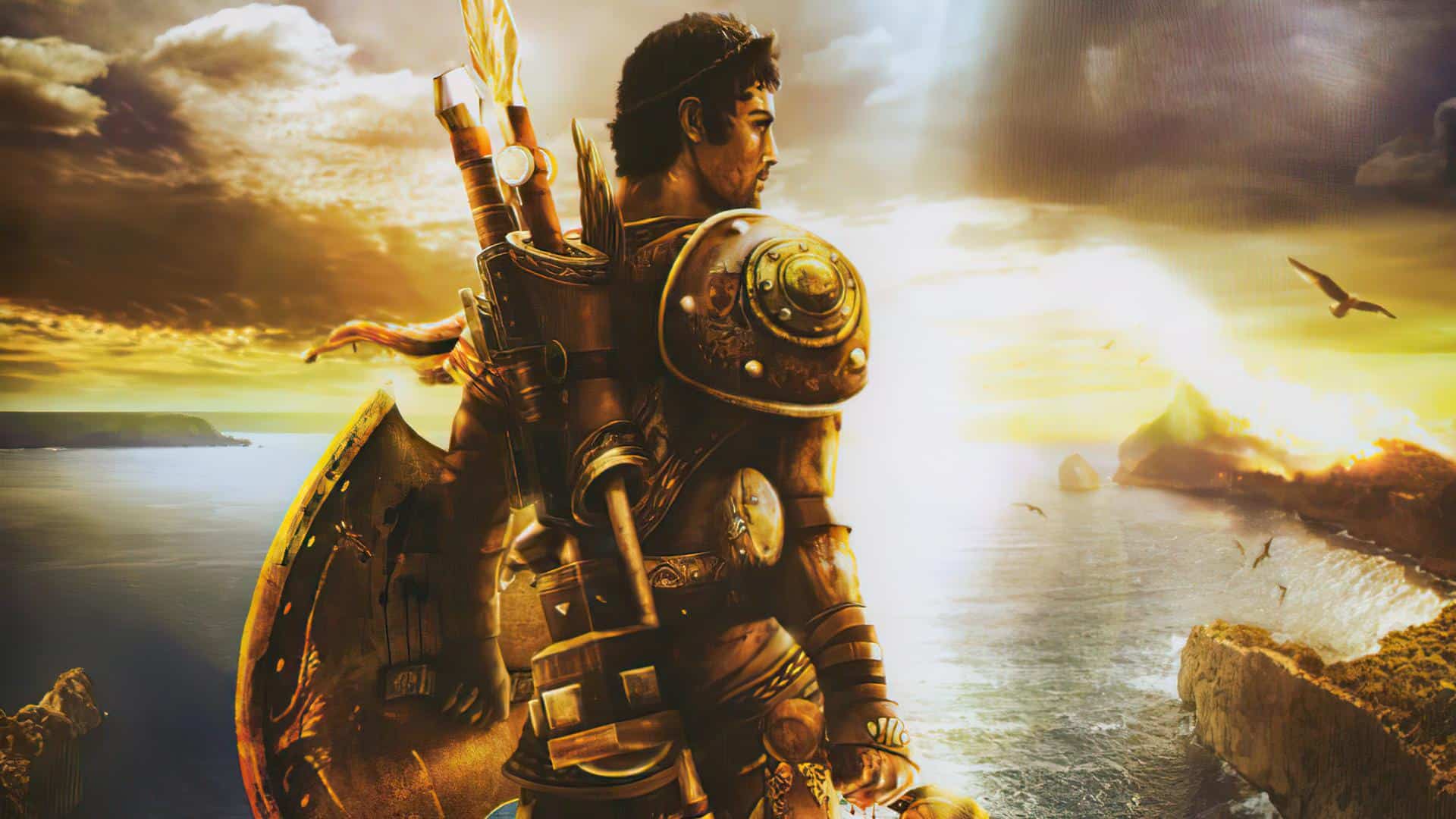
The game sees you take control of King Leonidas lookalike Jason as he leads a team, or, as Ed calls it "the X-Men of Greek mythology," including Hercules, Atalanta, Achilles and Pan (yes, Pan, as in the satyr from Pan's Labyrinth) on an adventure across Ancient Greece to find the Golden Fleece and bring his murdered wife back to life. Ed isn't aiming for much. All he wants to do with Rise of the Argonauts is reinvent, refine and re-imagine the RPG for the masses. You have doubts? Just listen...
"I think the combat mechanics in most RPGs suck ass! There's no other way to say it. This concept that I can trade blows ad infinitum with no impact until the last blow is just something that's bizarre to me. I grew up with D&D since I was 12, so I'm very familiar with this hit point concept, but from a visual storytelling perspective, from a cinematic perspective, you look at a movie and they don't do that in a movie. It's like chopping down a tree. How is that fun? It's not fun to watch someone chopping down a tree. And that's what we force our player to do. We force them to watch him chop down another flesh tree."
Surely Ed's talking about Blizzard's fantasy MMO phenomenon World of Warcraft? "Any RPG at all," he says. "They all have health bars. It's in every one! So we said look, step one, we're lethal combat. We're going to take our inspiration from the movies. When people don't die, it's not because they have more health, it's because they parried, they dodged, they blocked, they moved out of the way, they healed themselves with some magic, any good reason, but not no reason, which is what currently exists. Now, that obviously has some exceptions, like Jason. Heroes in movies have a nasty tendency of being able to survive all sorts of s$!t. They get stabbed and they live, they get shot and they don't die. So heroes have this resilience. So yeah, we gave Jason health, we break the rules, but we break the rules in a very specific and a very inspired way, as opposed to, oh well, everybody else does it like this. We thought about it. Once upon a time we had Jason die with one hit. It wasn't very fun, let me tell you! It was very Bushido Blade."
In Rise of the Argonauts you'll be able to map special God abilities to the d-pad so that they can be triggered on the fly. Before the interview I catch a glimpse of a few of them. One, called the Gates of Tartarus, creates a black hole, sucking enemies into it when Jason knocked them off their feet. Another, called Storm of Spears, sees the deadly blades come down like acid rain. The Armour of Apollo grants temporary invincibility. I see Jason decapitate one opponent with a devastating slow motion hit to the head with his mace and then, in the same movement, draw his spear from behind his back to impale an onrushing assailant. Then, as he is surrounded, his shield, which grants free blocks if you position yourself in just the right position, deflects countless sword strikes, each one sending sparks flying. And then, when the time is right, Jason draws his sword, flies forward and literally tears someone in half, the upper body slowly moving away from the lower in gruesome, gory detail. Remember the scene in 300 when the Captain loses it? It's a bit like that. It's very visceral, smooth, bloody and brutal, everything you'd associate with Bushido Blade, in fact, except without the one hit kills.

"The choices we've made, you're going to get more God abilities than you can map to a d-pad. But we said fine, that's OK. We're going to let you map it to the d-pad any way you want and you're going to have four active powers at all times. You want more you can put another four on there but we wanted the speed. We gave up the list menu. Yes we took something away from the player. We said you know what player? You will not have instant access to all of your powers. But you never had that before anyway. You had intermediate access to your powers. We're giving instant access to some and lengthy access to others. We've taken out this weird intermediate stuff. I think players are going to have their favourite powers anyway. You can hit those, no stopping, no changing out of the world, no cessation of the action, it feels so much cooler."
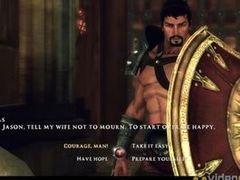
I'm impressed, as you might have guessed. I'm looking forward to the potential of the game. But I notice something. Something that's not right. Realisation kicks in. Apart from the fading in and out of the occasional Deed, Rise of the Argonauts' experience points replacement that can be traded in at God shrines for character upgrades, I can't see anything but Jason, other NPCs and the environment on screen. There isn't a health bar or mana bar in sight, something a bit jarring for an RPG. But, according to Ed, this is completely deliberate.
"Every time I look at a health bar I'm reminded that it's a game. So take away the health bar. There's something subconsciously distracting about having to constantly dart your eye up into the upper corner, or into the lower corner, or any corner. Film doesn't do that. Film keeps your attention to the centre. I want to do the same thing with games. It's more powerful when you're staring at what Jason is doing all of the time. When we do it we want it to be temporary. There's time when Deeds come on, you don't have to look at those. They're there to let you know what happened. But you don't have to read them right then. It's like when IM pops up in your Windows, you don't have to read it right then. It was just a way of telling you, hey, you got a Deed. You're going to come almost in your peripheral vision to recognise those as, oh I got a Deed, I wonder what that was? When I get to a shrine I'll go check it out. I don't have to stop - I got a Deed, where should I spend it right now?
"There are some things you are going do in the world that will give you God favours on the fly. You'll do some cool move for Aries, and all of a sudden boom Aries will give you some God favours right away. We have symbols for that, and those symbols will come on and fade off, just like a Deed. Nothing that you have to watch because that's just distracting. We've really tried to minimise HUD. All of the guys who can take multiple hits have damage states on their bodies. Even the guys that only take a few hits they have a wounded state. You hit them and they'll get wounded and they'll change their AI and they'll jab at you but they won't be really fighting hard and you'll be able to kill them. That's the way we see it. That's the way we've been taught. When we read books, when we watch a play, when we watch a movie, that's a language we've learned, why are we making people learn a new language?"
[ 1 | 2 | 3 | Next Page » ]


» Go to 's original post
But some of these changes needn't make an RPG any less "hardcore". You could make an RPG just as intricate as Fallout without an HP mechanic and without "vending machine" NPCs. In fact, most alternatives to HP that I've come up with would add complexity, not take it away.
» Go to 's original post
Post Comment
Login or register to reply to this topic
Create a new account or login to take part in this topic discussion.