News
-

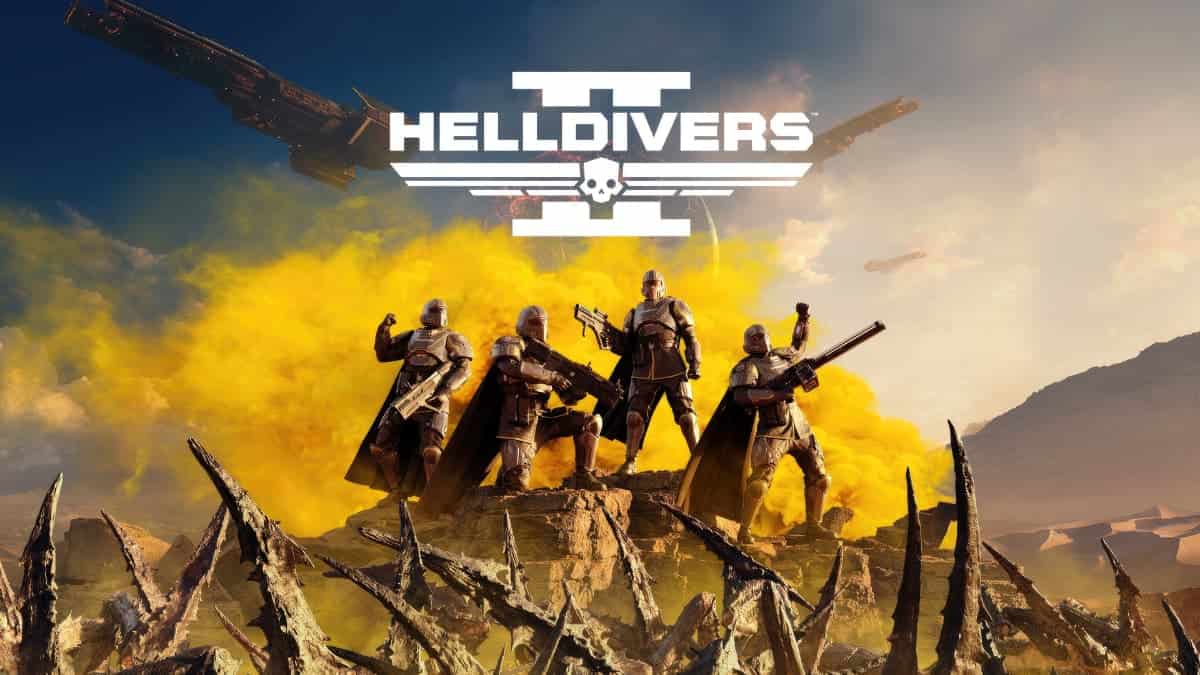
Helldivers 2 players want these voice lines added to the game
It would be great to hear your ship name as you join a mission.
No Comments -
Helldivers 2 players would rather the next Warbond be delayed to fix the game
One Premium Warbond per month could be too much and the developers should focus on improving the game.
-
Helldivers 2 PSA: Stop throwing Orbitals at the Pelican during extraction
Players call for the community to stop ruining missions.
-

Is Taylor Swift coming to Fortnite? Next Festival artist coming soon
Taylor Swift is one of the artists rumored to come to Fortnite with the next Festival season, and here’s what we know about it.
-
Helldivers 2 Leaks and Rumors – Everything that could be coming to the game
Here is what to expect in Helldivers 2 over the coming weeks.
-

Call of Duty fans could be playing against celebrity athlete ‘addicted’ to CoD
Call of Duty fans could unknowingly be playing against a major celebrity athlete who has admitted he’s ‘addicted’ to CoD.
-
Classic Black Ops map is getting remastered for CoD 2024 according to leaks
A classic and iconic map from the Black Ops series is reportedly getting remastered for Call of Duty 2024 according to leaks.
-
Will Fortnite OG map return with next season? Here is what we know
Will the Fortnite OG map finally return with Chapter 5 Season 3? Here is what Epic Games has revealed about it.
-
Controversial The Finals gun is getting nerfed in update 2.6
Many of The Finals fans will be elated to hear that a controversial gun is set to receive nerfs and a rework in update 2.6.
-
Helldivers 2 dev team work multiple positions despite the game’s success
Some developers also work QA due to the team being so small, yet have still created one of the best games of 2024.